UK Ground Types: A Staking Guide for Marquee and Event Professionals
The UK's geology is among the most varied in Europe for its landmass. Within 50 miles of any major UK city, an event operator can encounter chalk, limestone, clay, peat, compacted fill, and saturated flood plain. This is the operational context in which you are deciding whether your anchoring system will hold.
Understanding UK Ground Types — The Staking Spectrum
Ground types can be usefully divided into three broad categories for staking purposes: hard and resistant ground, medium and variable ground, and soft and deformable ground. The IFAI Staking Study found that "Hard" classified ground has approximately 25 times the holding power of "Very Soft" ground, and that saturated soil reduces pull-out capacity by approximately 50% compared to dry conditions. Those classifications, and the other terms used through this guide, are defined in the marquee staking glossary if any of them are new to you.
Yorkshire Limestone, Chalk, Clay, and Compacted Showground
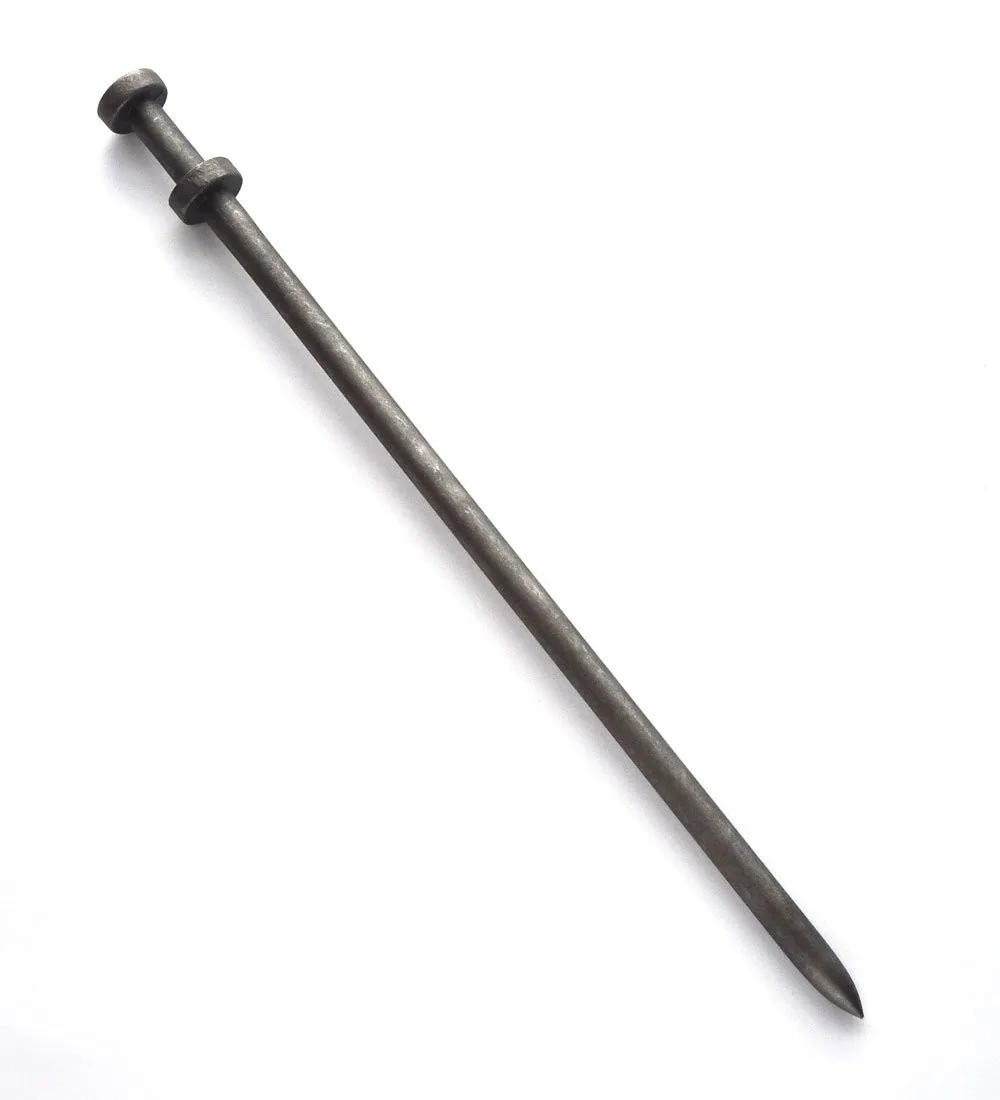
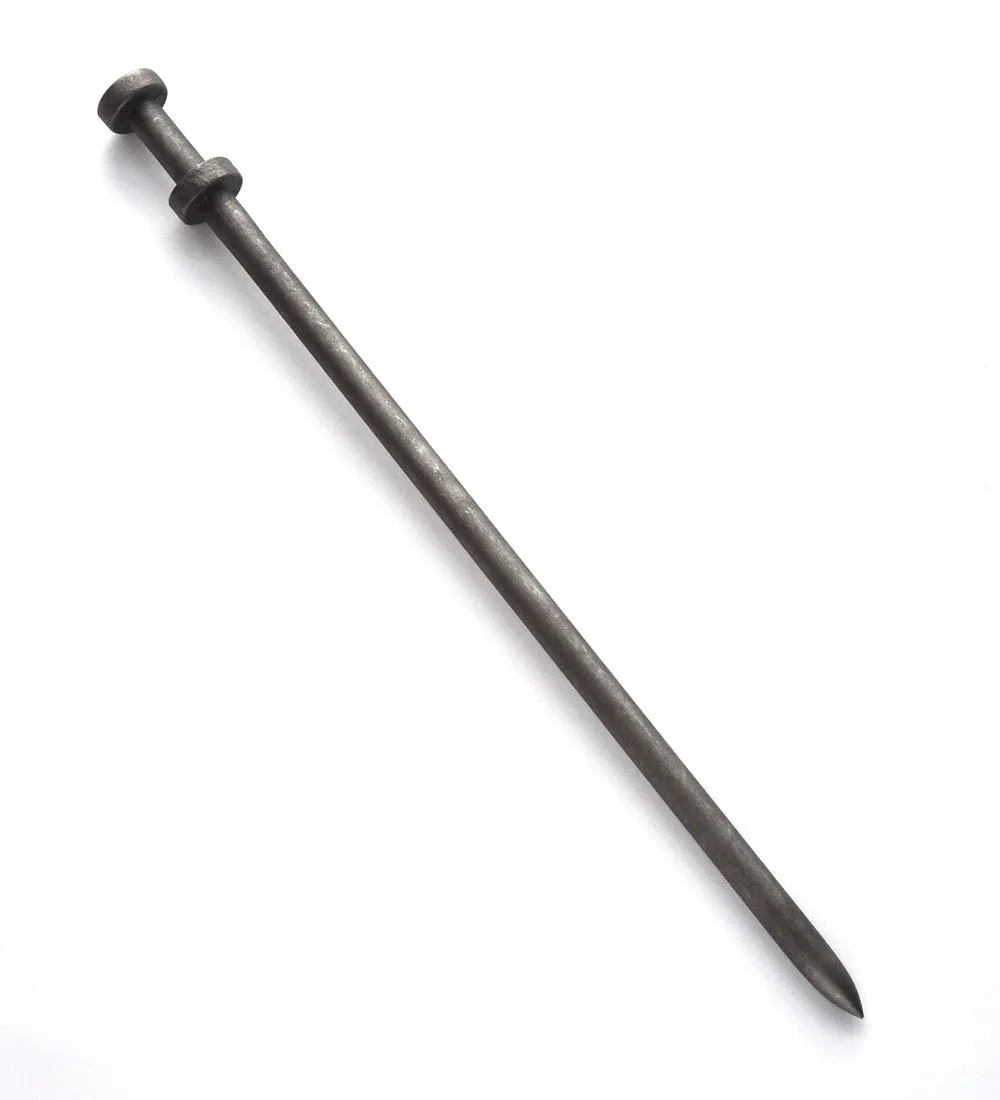
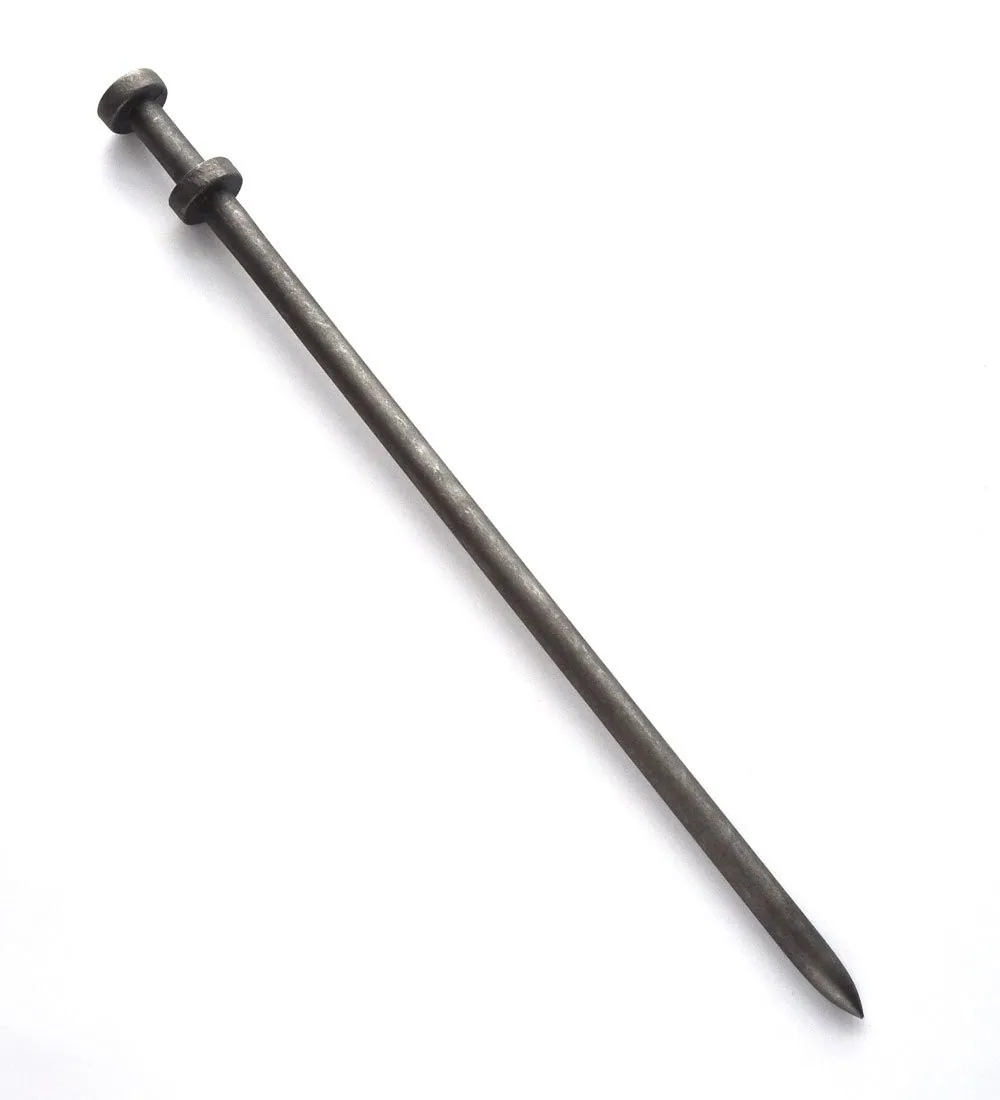
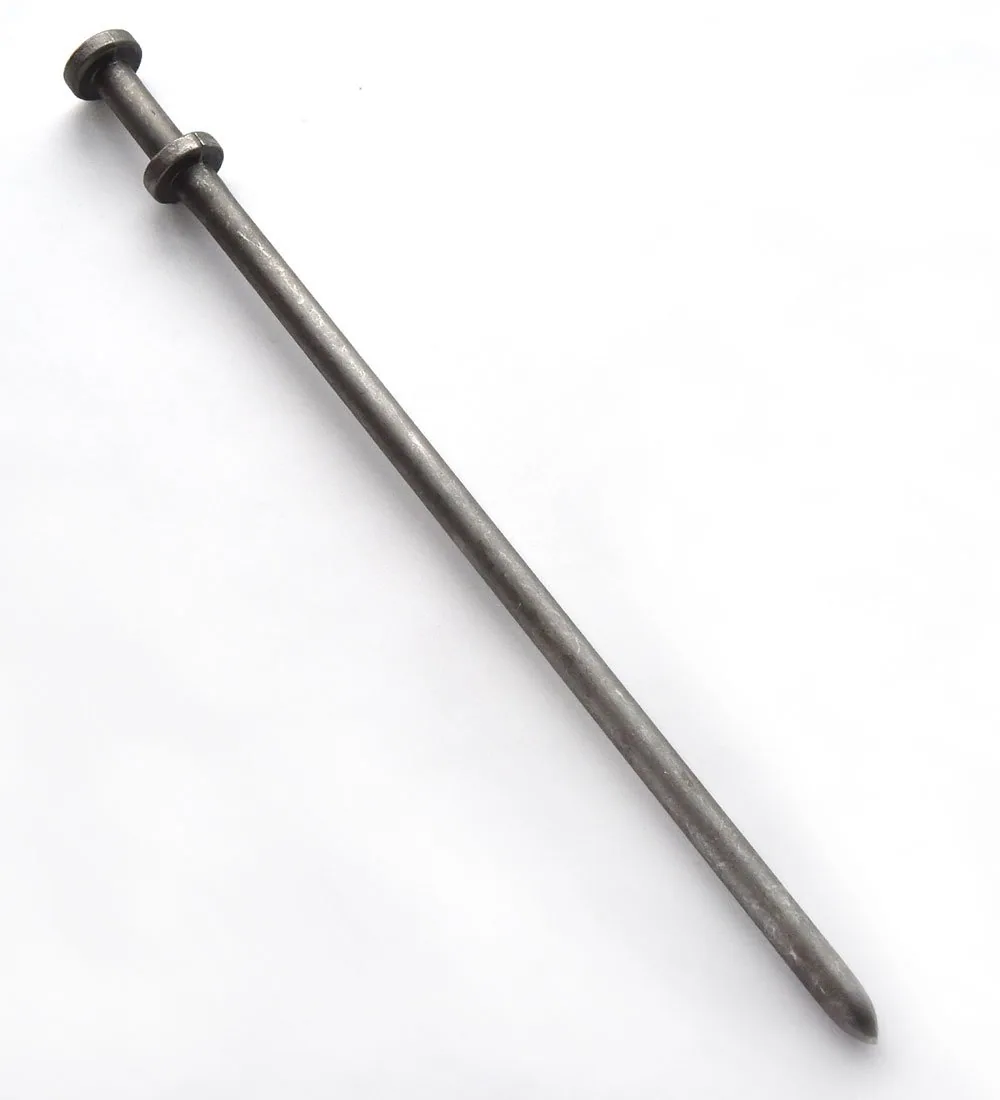
Yorkshire limestone and the northern uplands. Standard mild steel stakes fail quickly on limestone substrates. High alloy steel with Hogan's heat-drawn point drives to depth where standard stakes cannot; shallow rock may still require screw-in or resin anchors.
Chalk downland. Chalk is hard when dry but crumbles under concentrated impact. Pilot holes a few millimetres narrower than the stake can preserve grip and improve friction retention.
Clay ground. Dry clay behaves like hard ground; saturated clay is easier to penetrate but much worse at holding. Pull testing becomes essential in autumn and after heavy rain.
Compacted showgrounds and sports pitches. Decades of vehicle traffic create near-concrete hardness at depth. High alloy steel drive stakes are appropriate for most showgrounds; sports pitches often require ballast because depth restrictions protect the rootzone.
Dried Summer Ground, Soft Ground, Peat, and Artificial Turf
Dried summer ground. Any soil type can bake hard in prolonged dry weather. This is why the right stake inventory needs to be in place before the season starts, not after the first difficult August install.
Soft and waterlogged ground. Stakes go in easily but hold poorly. Solutions include extended stake length, gang staking with spreader bars, and larger diameters.
Peat and organic soils. Conventional drive stakes have poor holding power. Screw-in anchors are usually the primary anchoring solution, with drive stakes acting as secondary support only.
Artificial turf and hardstanding. Drive staking is generally not an option. Ballast or engineered anchoring to the permitted sub-base becomes the appropriate solution.
Quick Reference Decision Table
| Ground Type | Staking Recommendation | Notes |
|---|---|---|
| Yorkshire limestone / hard rock | High alloy steel, heat-drawn point; screw anchors for extreme sites | Standard mild steel will not penetrate reliably |
| Chalk downland | Longer stakes, slower driving, pilot holes where practical | Crumbles and reduces friction per unit depth |
| Clay (dry) | High alloy steel, heat-drawn point | Verify depth on every stake |
| Clay (saturated) | Extended stakes + gang staking + pull test | Holding capacity can halve in saturated conditions |
| Compacted showground | High alloy steel, heat-drawn point | Very high holding power if full depth is achieved |
| Artificial turf / tarmac / concrete | Ballast or engineered hard-surface anchoring | No conventional drive staking |
IFAI Pullout Capacity Pocket Guide | InTents Magazine: Anchoring in Wet Soil | MUTA Best Practice Guide | Spirafix Ground Anchors
Common Questions
What are the hardest UK ground conditions for marquee staking?
Yorkshire limestone, compacted chalk, heavy clay (dry), and compacted showground are among the most challenging conditions. These surfaces resist penetration and can deflect mild steel stakes before they reach working depth. Limestone and flint also cause rapid tip wear. High alloy steel stakes with a patented heat-drawn point are significantly more effective in these conditions than standard rebar or mild steel stakes.
How do I stake a marquee on clay?
Dry clay is hard and resists penetration — use high alloy steel stakes with a heat-drawn point, drive to full depth, and verify depth on every stake. Saturated clay is a different problem: the ground may be soft enough to drive easily, but the holding capacity can halve compared to dry conditions. In saturated clay, extend stake length, use gang staking where loads are high, and conduct pull tests before signing off the installation.
What size stakes are needed for soft or waterlogged ground?
Soft, loose, and waterlogged ground has low lateral resistance. Longer stakes give more contact area and more resistance — move to 42" or longer, and consider gang staking (two or three stakes per spreader bar) for high-load anchor points. Pullout testing is particularly important in these conditions as the actual resistance can be significantly lower than the design figure, and it can change between installation and the event if ground conditions deteriorate.
Can standard rebar be used as a marquee stake?
Rebar is commonly used but has real limitations. It is made from mild steel with a lower yield strength than high alloy steel stakes, the cut end does not form a consistent penetration point, and it lacks a head for clean extraction. In hard ground or repeated use, rebar bends at the tip, reducing effective depth and making extraction difficult. For professional hire use, purpose-made high alloy stakes with a machined head and heat-drawn point are more reliable across a season.
More on Hard Ground and Installation Technique
Tent Pegs and Marquee Stakes for Hard Ground
Size selection, driving technique, pilot drilling, gang staking, and the field penetration test — a practical guide for hire companies working in limestone, chalk, compacted clay, and showground aggregate.
Read the Guide →Gang Staking and Spreader Bars: Load Distribution for Poor Ground
When a single stake cannot provide adequate holding power, spreading the load across multiple stakes is the answer. Structure-specific guidance on 2, 3, 5, and 6-stake arrangements.
Read the Guide →Products referenced in this guide
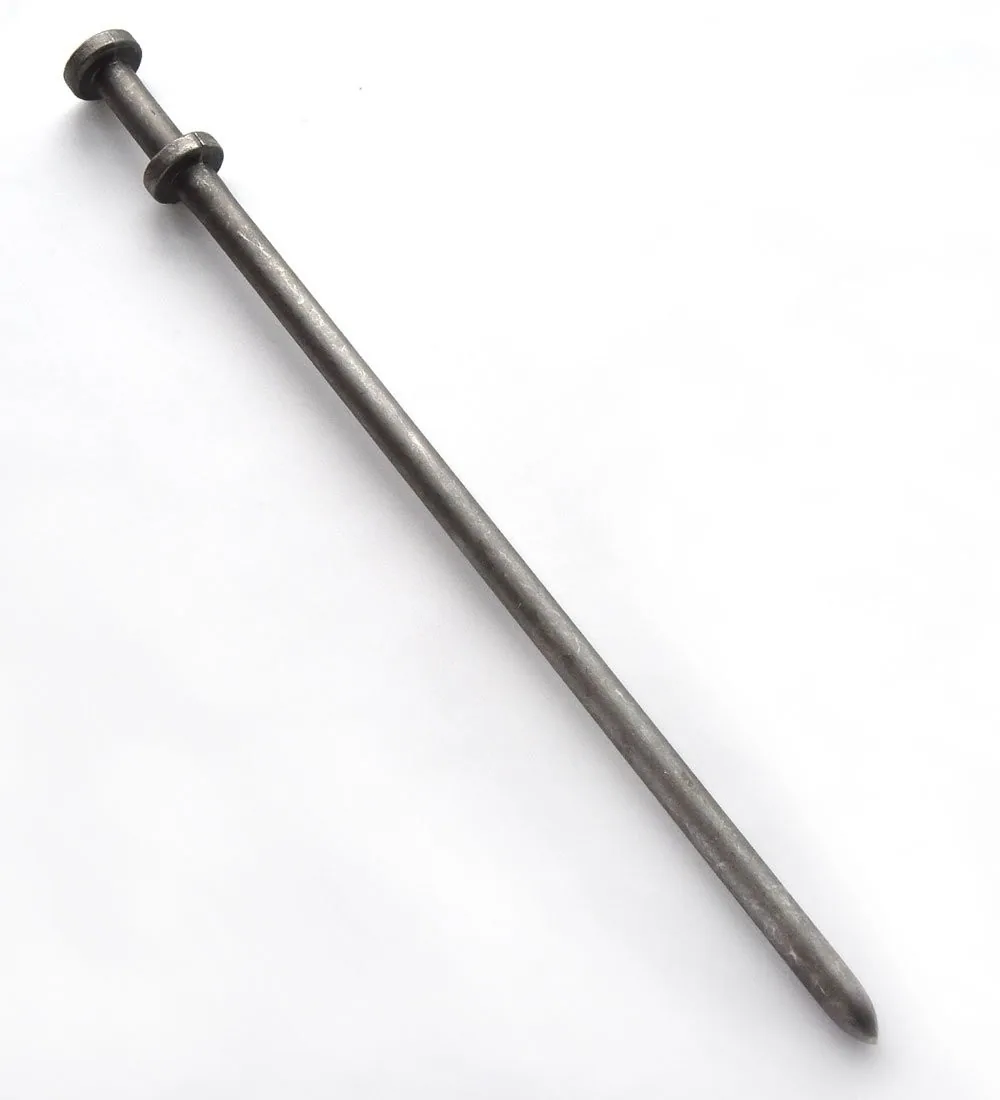
Not sure which stake for your ground?
Eight sizes of high alloy steel Tiger stake for every UK ground type. Size a job with the calculator, or tell us the site and we'll recommend.