 In Stock
Marquee stake pull test indicator — on-site anchor pull-out resistance verification
Pull Test Indicator
Know what's holding before the event starts.
Ground conditions vary. A site that held well in April may perform very differently after a wet week. A stake that's been driven flush looks identical whether it's holding at 200kg or pulling out at 60. The only way to know is to test.
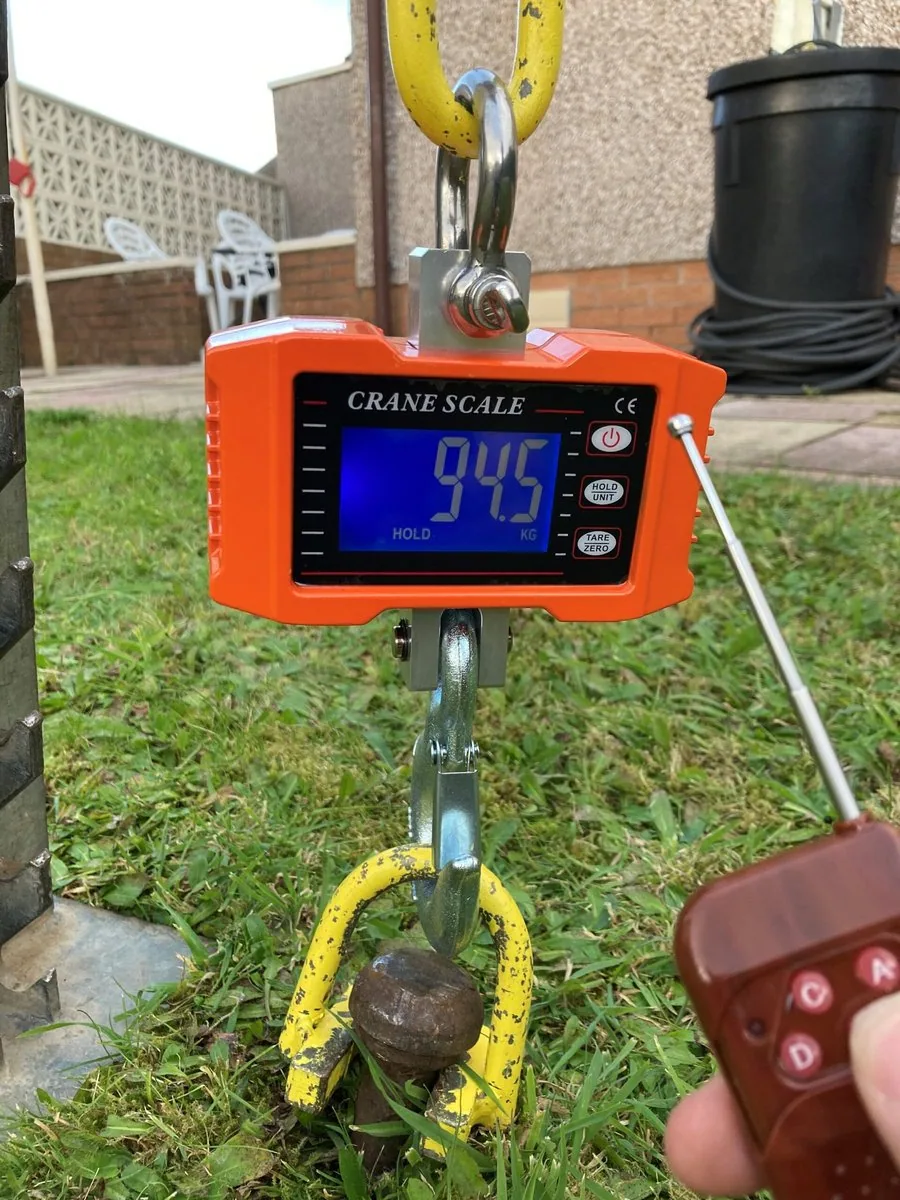
The pull test indicator measures the actual load required to displace a stake from its seated position in the ground — expressed directly in kilograms on the digital display. That figure tells you whether the anchor is delivering the hold your structure's calculations require. A measured figure clearly informs your risk assessment and management plan. Whilst experience counts for a lot, it is not a justifiable fallback where insurance claims are concerned.
For operators at public events, the case for testing is straightforward. If a structure comes down and HSE investigates, documented evidence that you tested anchor points to a known load before occupancy is significantly more useful than evidence that you followed a staking pattern. A photograph of the display at each point takes seconds.
- Digital display — reads in kilograms
- Wireless remote with HOLD function — freeze peak reading for photography
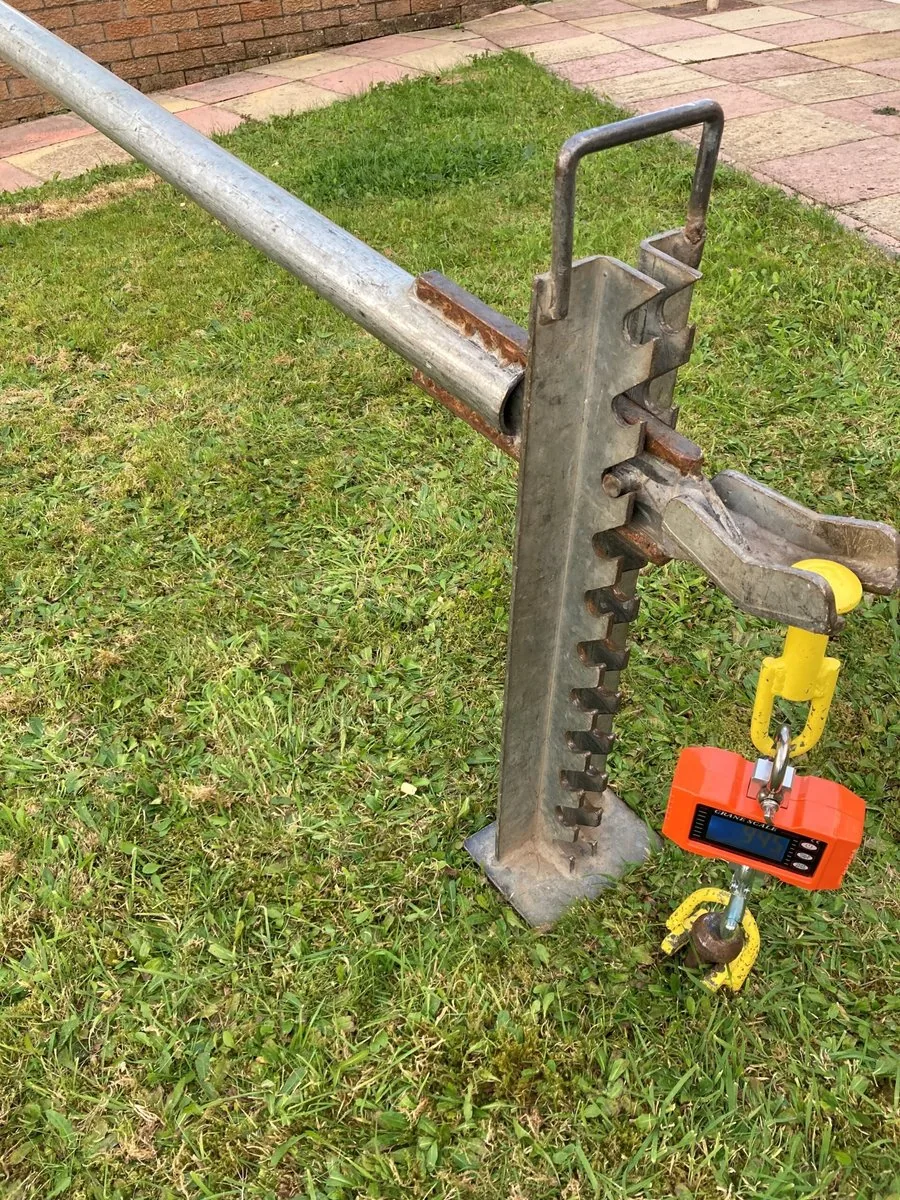
- Works inline with the heavy-duty stake extraction tool
- No software, no Bluetooth, no calibration routine
- CE marked — compact and portable
Supplied to marquee hire companies, structure manufacturers and event production teams. Trade pricing by enquiry.
Get a Trade Quote Get in TouchHow It Works
Connect
Hook the indicator inline between the heavy-duty stake extraction tool and the stake head using the yellow shackle attachments. One person can set this up in under a minute.
Apply Load
Work the rack-and-pinion mechanism to apply progressive upward force. The digital display reads the load in kilograms as it builds. Watch for the target load specified in your structural calculations.

HOLD and Record
At peak load, press the wireless remote to trigger HOLD — the reading freezes on screen. Photograph the display. That photograph is your site record: timestamped evidence that the anchor point was verified before occupancy.

Decide
If the stake delivers the required load, move on. If it falls short, you know before the structure is loaded — time to move to a longer stake, gang staking, or a spreader bar. See our ground anchoring guide for options.
Ground Conditions Don't Stay Constant
In reliable, well-drained ground that you know well — managed venue grass, firm parkland — experienced operators can make reasonable predictions. The calculation is simpler, and the margin for error is more forgiving.
But in ground that's been waterlogged, in sandy or loose soil, in clay that's expanded after rain, or on any site you haven't worked before — a pull test is the only way to confirm what the ground is actually providing. And on sites with variable ground conditions across the footprint, you may find that different anchor points need different treatment.
Some structural engineers specify pull testing as a condition of sign-off for larger or longer-term installations. Accurate reporting requires measurement rather than guesswork — conducting pull tests on site gives you a measured figure for the pull-out resistance of each anchor point. This enables clear, transparent entries in your build logs and structure sign-off documentation, strengthening accountability in the eyes of your customer and your insurer.
For a walkthrough of the process from setup through to record keeping, see our guide to conducting a pull test on a ground anchor.
- Working on ground you haven't used before
- Installing after or during wet weather
- Operating on sandy, loose, or clay-heavy ground
- The structure is larger, longer-term, or carries higher public occupancy
- A structural engineer has specified minimum anchor forces
- Your insurer or the venue requires documented evidence of adequate staking
On concrete, tarmac, or hard standing where stakes don't apply, ballast weights are the appropriate anchoring method. Pull testing is a tool for ground anchors, not ballast. If you're unsure about the right approach for your installation, get in touch and we can advise.
Product Details
| Product | Just Joe Pull Test Indicator |
| Display | Digital LCD, kilograms |
| Remote | Wireless, HOLD function |
| Certification | CE marked |
| Application | Stake pull-out resistance testing |
| Works with | Heavy-duty stake extraction tool |
| Record method | Photograph the frozen HOLD display |
| Pricing | Contact us for trade pricing |
| Availability | In Stock |
Pricing varies by quantity and supply relationship. Get in touch and we'll come back to you promptly.
Pull Testing in Practice
Do I need to test every stake?
Not necessarily — but for public events, testing representative anchor points in each ground condition zone is good practice, and some structural engineers specify pull testing as part of sign-off. On unfamiliar ground or after significant rainfall, testing the highest-load positions before occupancy is straightforward and gives you documented evidence if questions arise later.
What load should I test to?
The target comes from your structure's structural calculations — specifically the specified minimum anchor force at each fixing point. Testing to that figure confirms the stake is delivering what the engineer requires. Many operators test to 1.5× the specified load to provide a working margin. If you don't have structural calculations for your structure, get in touch and we can advise on where to start.
How do I record the results?
The wireless HOLD remote freezes the peak reading on screen. Photograph each reading — that photograph is your site record, timestamped by your phone. For larger events, some operators photograph against a marked stake position plan to create a more complete picture of anchor verification across the site.
What do I do if a stake fails the test?
If a stake is pulling out below the required load, the test has done exactly what it's supposed to — told you before the structure is loaded. Your options: drive a longer stake into undisturbed ground nearby, move to gang staking (two stakes in line sharing the load), or use a spreader bar. See our hard ground anchoring guide for more detail, or get in touch and we can advise for your specific situation.
Interested in the Pull Test Indicator?
Fill in your details and we'll come back to you with pricing and availability. No hard sell — just a straight conversation.
What Happens Next
- We'll confirm receipt within 24 hours
- We'll come back with trade pricing based on your requirements
- We can discuss use alongside Tiger Stakes and the extraction tool if relevant
- No obligation — get in touch when you're ready
Looking to add pull testing to your pre-event setup? We can also advise on staking patterns, spreader bars, and gang staking arrangements for specific ground conditions.
Complete the Kit
The indicator connects inline with the heavy-duty extraction tool — the extraction stroke is the test stroke. You don't run a separate operation.
Heavy-Duty Stake Extraction Tool
Rack-and-pinion mechanism. Applies axial force along the stake axis — no levering, no bending. Connects directly inline with the pull test indicator so the extraction stroke reads peak pull-out load at every anchor position, at no additional time cost. Compatible with Tiger Stakes 1" and 1.125" diameter.
Tiger Stakes
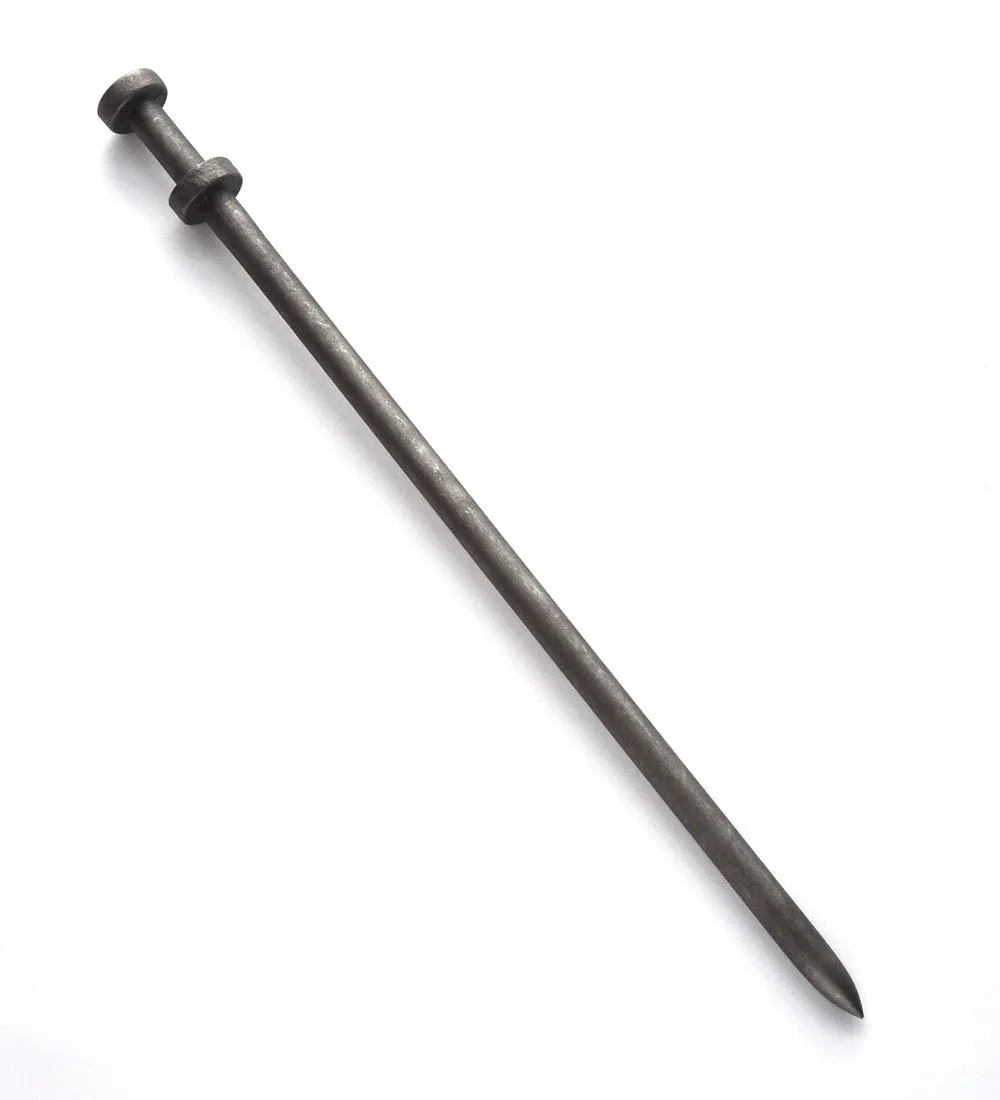
High alloy steel, heat drawn point. Stays straight across a full season — so the extraction stroke stays clean and axial when you're testing on de-rig.
 In Stock
Tiger Stakes 36" × 1"
Standard clearspan baseplate and pole marquee main anchor stake. Hard ground and moderate conditions.
View SpecGet in Touch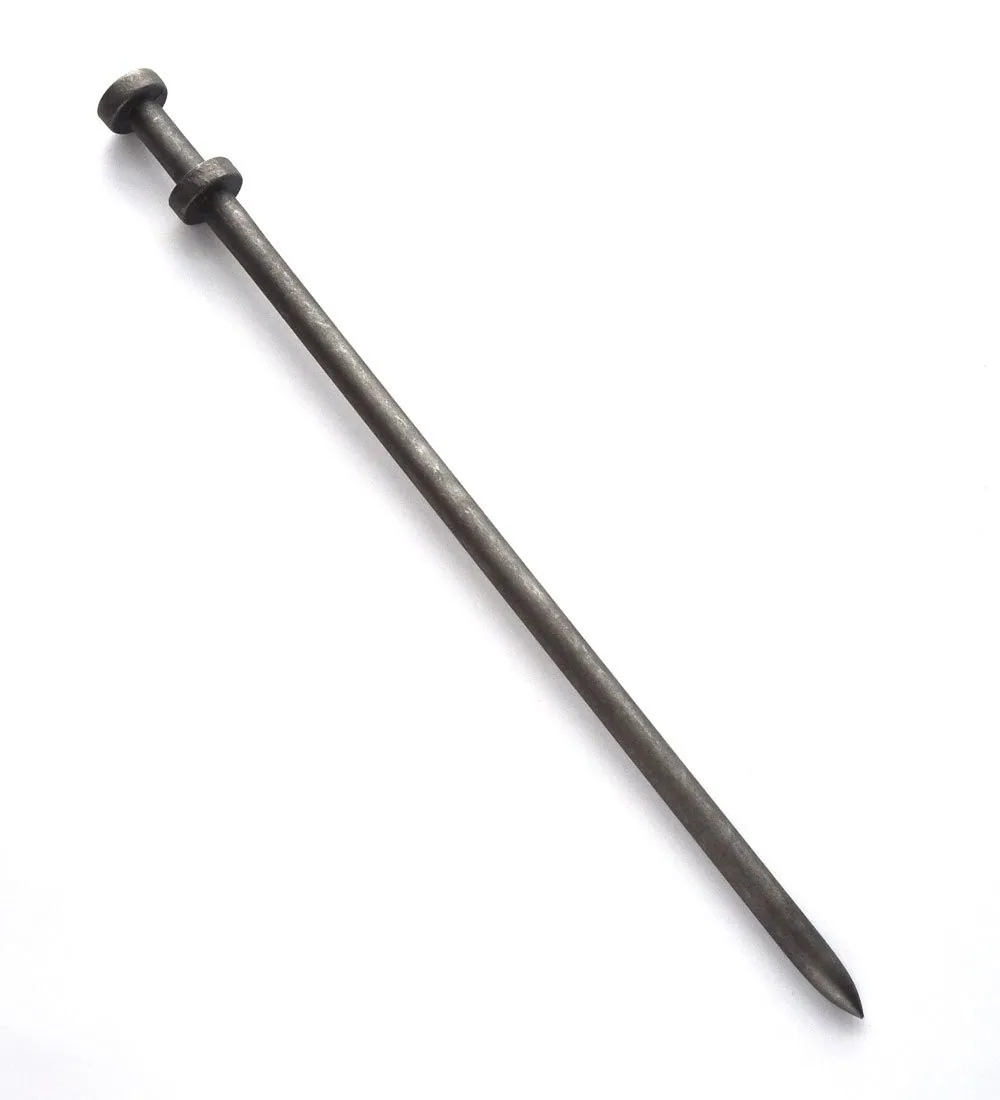 Coming soon
Tiger Stakes 42" × 1.125"
Main anchor and spreader bar stake for sailcloth and stretch tents. Larger clearspan structures.
View SpecGet in Touch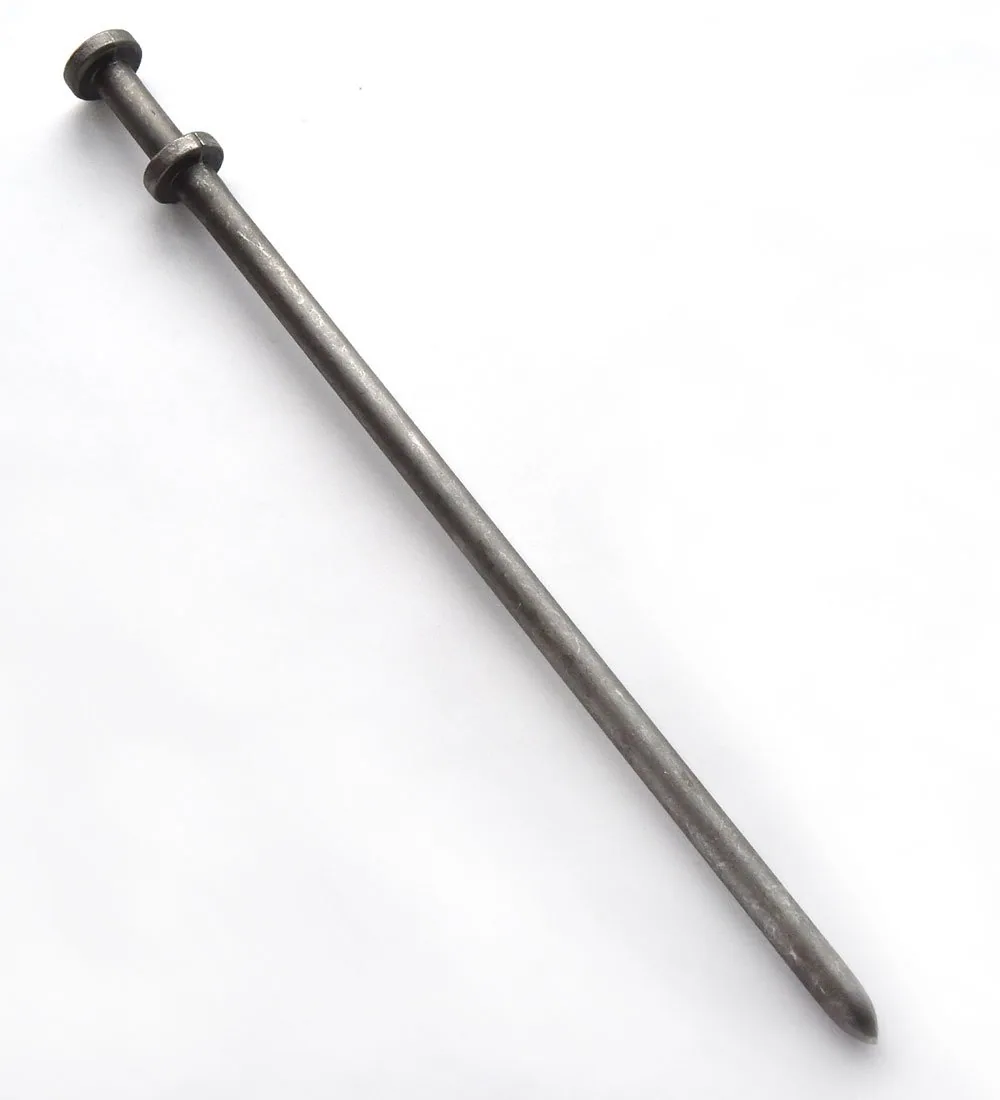 Ask about availability
Tiger Stakes 48" × 1.125"
Higher-load positions, soft ground, longer-term installations and exposed sites.
View SpecGet in Touch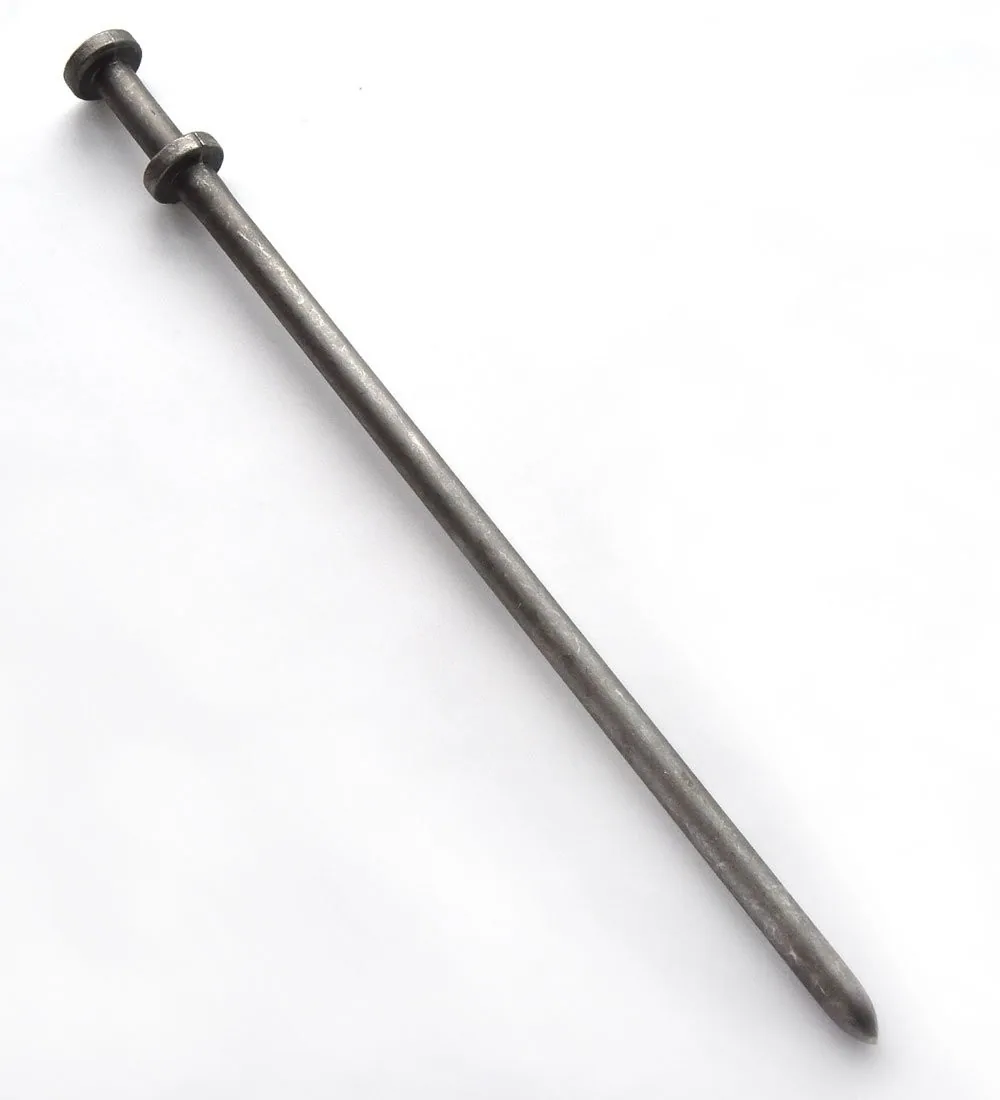 Coming soon
Tiger Stakes 60" × 1.125"
The highest-load clearspan positions, where pull testing shows a shorter stake is not holding enough.
View SpecGet in TouchSpreader bars and ratchet strap systems distribute anchor forces across two or three stakes. Get in touch to discuss accessories alongside your stake order.