 In Stock
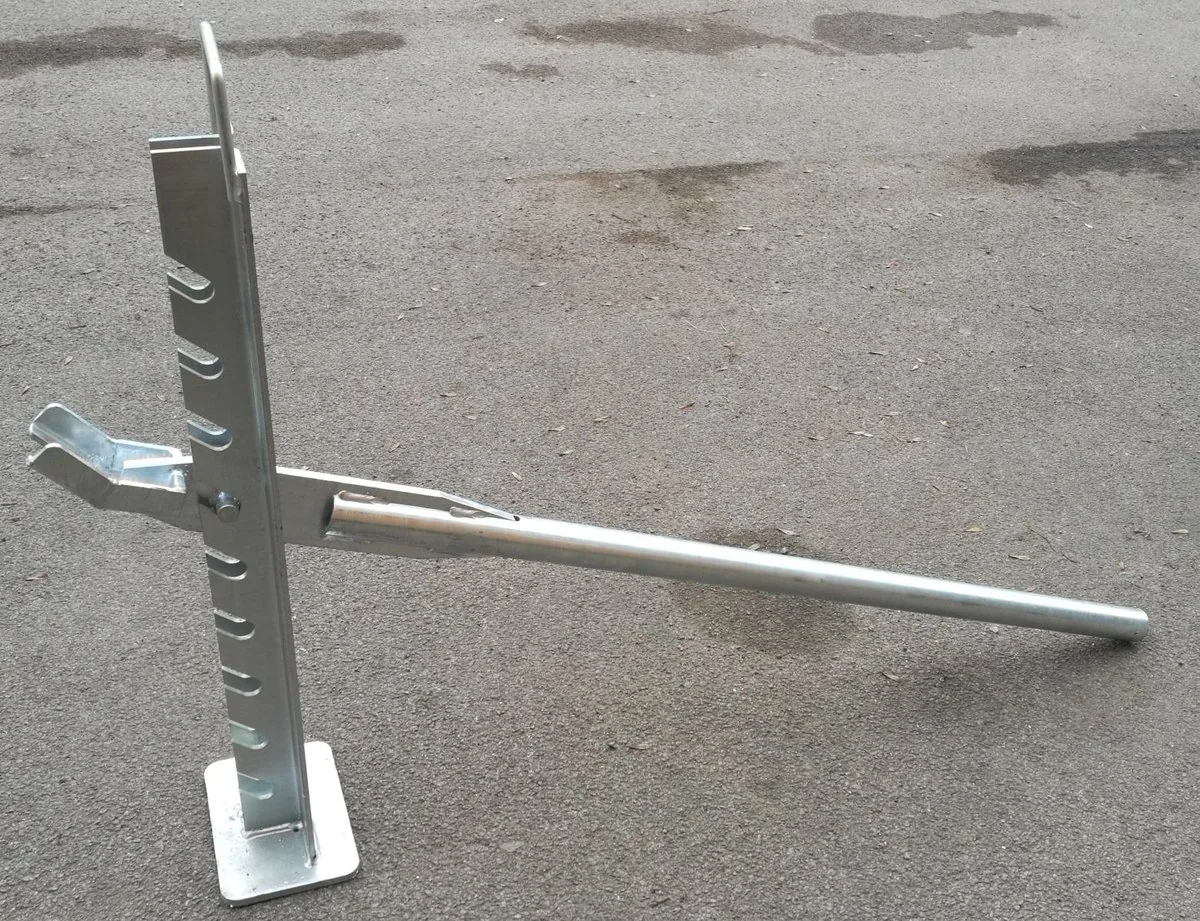
Heavy-duty marquee stake extraction tool — rack-and-pinion mechanical stake puller
Stake Extraction Tool
Straight in, straight out. The rack-and-pinion mechanism does the work.
Extracting a straight, good-quality stake from reasonable ground is not complicated. But in clay, compacted aggregate, or hard limestone — or with any stake that bent during driving — a lever bar alone is slow work, and puts bending force onto the shaft that compounds the problem for next time.
The heavy-duty extraction tool uses a rack-and-pinion mechanism to apply progressive upward force directly along the axis of the stake — clean axial pull, no levering, no bending. The mechanical advantage means one operator can apply the sustained force required to break the grip of adhesive clay or compacted ground without the physical effort that manual extraction demands across a full de-rig.
It connects inline with the pull test indicator — so the extraction stroke gives you a load reading at every position, at no additional time cost. Ground condition data for every anchor point, built into the de-rig workflow.
- Rack-and-pinion mechanism — high mechanical advantage, controlled axial force
- No levering — pulls along the stake axis, not across it
- Compatible with Hogan Tiger Stakes: 1″ (26mm) and 1.125″ (29mm) diameter
- Works inline with the pull test indicator
- Heavy gauge steel construction — built for regular professional use
- Single-operator use
Supplied to marquee hire companies, structure manufacturers and event production teams. Trade pricing by enquiry.
Get a Trade QuoteHow It Works

Position
Seat the tool over the stake head. The gripping jaw seats under the head of the stake. Position the base against the ground surface to create the reaction point for the extraction force.

Apply Force
Work the ratchet handle. Each stroke drives the pinion, which walks the gripping mechanism upward along the rack — applying controlled, progressive axial force to the stake. No jerking, no levering.

Read the Load (Optional)
With the pull test indicator connected inline, the display reads peak extraction force as the stake moves — a record of the holding power that anchor was actually providing. Useful ground knowledge for the next job on that site. Freeze the reading with the wireless HOLD remote.

Inspect and Reload
The stake comes out straight. Inspect the tip — heat drawn point geometry should be intact. A stake in good condition goes back on the truck. A stake with tip damage gets separated for review. Move to the next position.
Where the Tool Makes the Difference
In easy ground — well-drained turf, sandy soil — stakes come out with minimal effort and a standard bar is adequate. The extraction tool earns its place when the ground pushes back:
| Ground type | Extraction challenge | Tool benefit |
|---|---|---|
| Heavy clay | High adhesive grip; suction increases force required significantly after rain | Controlled sustained force breaks the adhesive seal progressively; no bending force on shaft |
| Compacted limestone / aggregate | Consistent high resistance across full depth; straight stakes extract — bent ones don't | Mechanical advantage provides the sustained force compacted ground requires; keeps extraction axial |
| Hard, dry ground | Ground locks tightly around shaft after drying; tip condition determines extraction difficulty | Axial pull preserves the clean extraction channel the straight tip created during driving |
| Deep stakes (48″ / 60″) | Extraction force increases with depth; lever bars limited by reach and operator weight | High mechanical advantage handles the increased force requirement for longer, deeper stakes |
The soil pullout capacity data from the IFAI Tent Rental Division confirms the range: in stiff to hard ground, a well-driven 42″ stake can have a pull-out resistance of 363–1,134 kg. Extracting that force mechanically — and without damaging the stake — is what the tool is designed for.
For a practical guide to extraction technique, ground types, and how combining extraction with pull testing builds site knowledge, see our guide to stake extraction.
Extraction and Pull Testing in One Stroke
The pull test indicator is designed to sit inline between the extraction tool hook and the stake head. When the two tools are used together, the load cell reads the peak axial force as the stake begins to move — the same force that would have been applied to hold it in place during the event.
This makes the de-rig a data-collection step. Every anchor point that was tested during extraction gives you a measured figure for what the ground was providing at that position, in those conditions, on that day. Across a site with variable ground, these readings identify the positions that were marginal — information that directly informs the staking plan for the next event at the same venue.
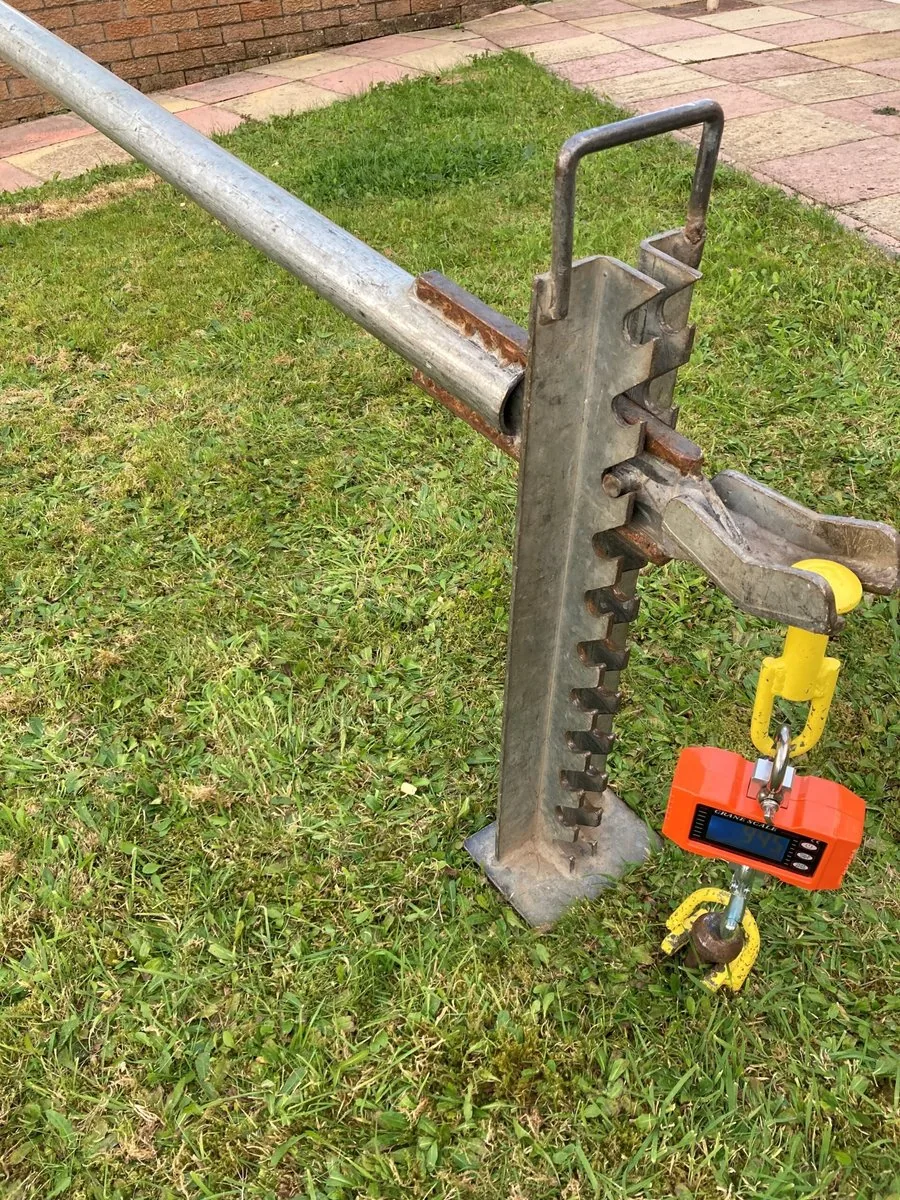
Just Joe Pull Test Indicator
Digital display in kilograms. Wireless HOLD remote freezes peak reading. CE marked. Connects inline between the extraction tool hook and the stake head — the extraction stroke becomes a pull test at every anchor position, at no additional time cost.
Product Details
| Mechanism | Rack-and-pinion, ratchet handle |
| Compatible stakes | Tiger Stakes 1″ (26mm) and 1.125″ (29mm) diameter |
| Operation | Single operator |
| Works with | Pull test indicator (inline) |
| Construction | Heavy gauge steel |
| Application | Professional marquee stake extraction |
| Pricing | Contact us for trade pricing |
| Availability | In Stock |
Full specification sheet available on request. Get in touch and we'll come back to you promptly.
Common Questions
What is a rack-and-pinion stake extraction tool?
A rack-and-pinion stake puller is a mechanical tool that grips the stake head and uses a ratcheting pinion mechanism to apply progressive upward force along the stake's axis. Unlike a lever bar, it does not apply bending force to the stake shaft — it pulls straight up, which means less damage to the stake, cleaner extraction from the ground, and significantly less physical effort from the operator.
What stake sizes does it work with?
The extraction tool is compatible with Hogan Tiger Stakes — the 1″ (26mm) and 1.125″ (29mm) diameter stakes across the 30″, 36″, 42″, 48″, and 60″ range. Get in touch for confirmation of compatibility with other stake specifications.
Can it be used with the pull test indicator?
Yes — the pull test indicator connects inline between the extraction tool hook and the stake head. As you apply extraction force through the rack-and-pinion mechanism, the indicator reads the peak axial load in kilograms. The de-rig stroke becomes a pull test at no additional time cost. See the pull test indicator page for more detail on this combined workflow.
Is it suitable for clay ground?
Clay is where the extraction tool earns its place. Clay's adhesive properties create high initial resistance — sometimes significantly more than the force needed to drive the stake in. The rack-and-pinion mechanism provides the controlled, sustained upward force that progressive clay resistance requires. A short lever bar in heavy clay relies on operator bodyweight and creates bending force on the shaft; the extraction tool removes both problems.
How long does extraction take per stake?
In typical conditions, an experienced operator can extract a stake in well under two minutes. In hard or adhesive ground where the tool's mechanical advantage is most needed, the process takes longer — but the effort per stake is substantially less than alternative methods, which matters across a full de-rig with hundreds of stakes.