Marquee Stake Extraction: Technique, Tools and Ground Conditions
Extraction is where the quality difference between stakes becomes most visible. A stake that went in straight, in good material, comes out straight. A stake that bent during installation, or that was driven badly, is what takes ages at de-rig.
Why Extraction Matters
The speed and ease of stake extraction directly affects the time your crew spends on de-rig. Across a busy season — dozens of installations, hundreds of stakes per setup — the cumulative time spent on difficult extractions adds up to something real. A stake that comes out cleanly in thirty seconds is not the same as one that takes three minutes, a bar, and two people.
Beyond time, there is kit condition to consider. Levering a bent or stuck stake puts bending force on the shaft — which either bends the stake further, making it worse for next time, or transmits force to the ground and disturbs the surrounding area. Both outcomes are avoidable with the right technique and the right stake in the first place.
Extraction also matters for ground condition assessment. A stake that comes out with an unusual amount of effort — more than expected for the apparent soil type — is telling you something about the ground at that point. Combined with a pull test indicator connected inline, the extraction stroke becomes a measurement as well as a de-rig step.
What Makes a Stake Difficult to Extract
Bent tip or deformed shaft
A stake that deflected during driving — because the tip deformed on a stone, or because the ground was hard enough to bend a softer tip before it could penetrate — will have followed a non-straight path into the ground. When you apply axial upward force for extraction, the stake does not come out along a straight line; it has to be levered out of its bent channel in the soil. This takes significantly more force, risks further bending, and damages the surrounding ground.
This is the most common cause of difficult extraction on a de-rig. It is a consequence of driving, not of the extraction itself. Stakes with Hogan's patented heat drawn point resist tip deformation during impact — the tip maintains its geometry across the drive, which means the stake tracks straight and comes out straight.
Clay and adhesive soils
Clay is the most difficult UK soil type for extraction. Its adhesive properties — the same properties that give it high holding power as an anchor medium — mean the soil grips the stake shaft rather than releasing cleanly. A stake driven into dry clay and left in place while the ground wets can be significantly harder to extract than it was to drive.
In heavy clay, the initial extraction force is high — the soil is essentially gripping the shaft. Once the stake begins to move, resistance typically drops. The key is breaking the initial seal, which requires controlled steady upward force rather than sudden impact.
Compacted aggregate and hard ground
Compacted showground aggregate and limestone-based ground can make extraction difficult by a different mechanism — the stake has been driven into material that has locked tightly around the shaft. The hold on the stake is high and consistent along the full depth of penetration. Extraction requires a tool capable of applying sustained, high axial force — improvised levering with a short bar will not move the stake cleanly.
Depth and driving angle
Stakes driven at an angle — as guy rope anchors sometimes are, leaning slightly back from the pull — need to be extracted along the same axis they were driven. Applying force straight up on an angled stake creates a bending moment at the point where the shaft enters the ground. Extraction should follow the driving axis, working along the direction of the stake, not straight up from the head.
Extraction Technique
Before any of it: take the load off. On a de-rig the stakes should be the last thing you come to, not the first. A stake still carrying tension through a guy rope or a ratchet strap is holding a load nobody can see, and a tool that breaks it loose releases that load in one go. Slacken the straps, drop the tension out of the guy lines, and let the structure settle onto its own weight before anyone puts a bar under a stake head. It is easier as well as safer: a stake under load is pressed hard against one wall of its own hole, which is why the first one on a still-tensioned line always feels like the worst stake on the field.
Use an extraction tool, not a hammer
Attempting to extract a stake by hitting the shaft sideways with a sledgehammer bends the stake rather than extracting it. The correct approach is a dedicated extraction tool — a bar or device with a hook or slot that seats under the stake head and applies upward force along the stake's axis.
For standard marquee stakes in typical conditions, a lever-type extraction bar with sufficient length to provide mechanical advantage is the standard tool. For deeper stakes, harder ground, or sites where extraction resistance is consistently high, a mechanical extraction device applies greater force with less physical effort.
Apply steady force, not impact
Steady, sustained upward force along the axis of the stake is more effective than short bursts or sudden jerks. In adhesive clay, the steady force builds pressure in the soil around the shaft, which gradually releases. A jerk or impact transmits shock into the shaft and may not move the stake at all while risking damage to both the stake and the operator.
Work with the angle
For angled stakes, set up the extraction tool so that force is applied along the axis of the stake — not straight up. A bar that hooks under the stake head and allows you to push down on a horizontal arm will translate your effort into upward force along the stake's shaft direction. A small amount of initial rocking — gently, from side to side, no more than a degree or two — can help break the adhesive grip of clay soils before applying the main extraction force.
The Heavy-Duty Stake Extraction Tool
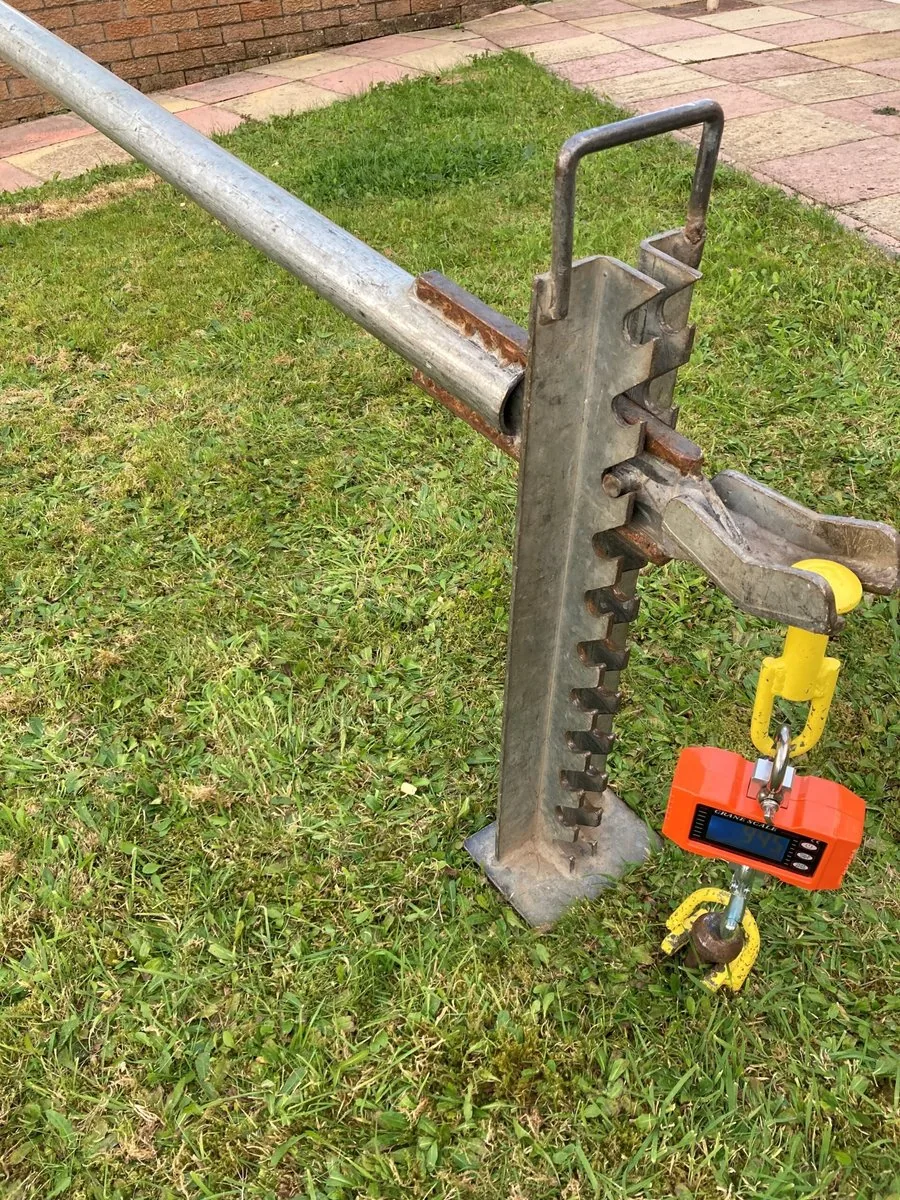
For extraction in harder ground, deeper staking, or high-volume de-rigs where crew effort per stake adds up, a rack-and-pinion mechanical extraction tool provides a practical step up from a lever bar. The rack-and-pinion mechanism multiplies the force applied — the operator works a ratchet handle while the device progressively walks up the stake shaft, applying high axial pull with controlled, sustained effort.
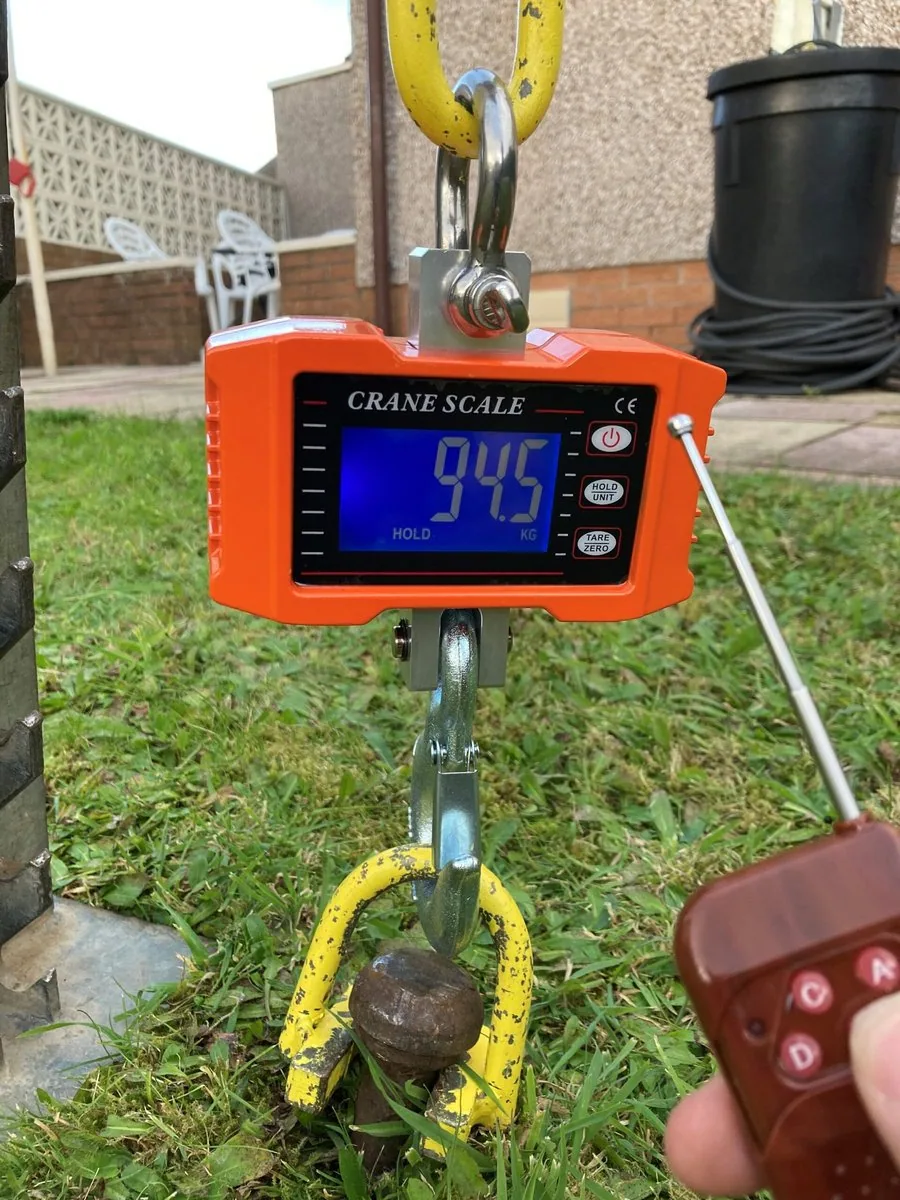
This type of tool is designed to work inline with a pull test indicator — the indicator sits between the tool hook and the stake head, and captures the peak extraction force as the stake begins to move. The de-rig stroke becomes a pull test as well as an extraction stroke, at no additional time cost.
Get in touch to discuss the heavy-duty extraction tool — availability, specification, and pricing.
Ground Conditions and What They Mean for De-Rig
| Ground type | Extraction characteristics | Practical approach |
|---|---|---|
| Clay (dry) | High initial resistance, drops once stake moves | Steady upward force; rocking to break initial seal |
| Clay (wet) | Very high adhesion; suction can increase extraction force significantly | Mechanical extraction tool; allow more time per stake; consider extraction before ground wets further |
| Compacted limestone / aggregate | Consistent high resistance along full depth; stakes driven cleanly come out cleanly — bent stakes are very difficult | Mechanical extraction; tip quality matters — straight stakes extract, bent stakes don't |
| Sandy / loose soil | Low resistance; stakes typically extract easily — the low holding power on the way in is low resistance on the way out | Standard lever bar; note that easy extraction correlates with low holding power — assess whether gang staking was adequate |
| Waterlogged / saturated | Variable — can be very low resistance (stakes have poor hold) or high due to suction depending on soil type | Manual inspection; check each stake; waterlogged clay is worst case |
| Soft turf / amenity grass | Moderate; root mat at surface can grip; below root zone typically moderate resistance | Standard bar; extract vertically to minimise turf disturbance |
Stake Inspection at Extraction
The moment a stake is extracted is the natural time to inspect it before it goes back on the vehicle. With the stake in hand, a quick check takes seconds:
- Tip condition: Is the heat drawn point still true? Any visible deformation? A deformed tip will steer erratically on the next drive.
- Shaft straightness: Is the stake straight? Hold it horizontally and sight along the shaft. Any visible bend is worth noting — minor bends may be within acceptable tolerance; a bent-and-straightened stake should be retired.
- Head condition: Is the head intact, without cracking or splitting? A split head can fail under the extraction tool hook.
Retiring a damaged stake at extraction — rather than loading it back and discovering the problem at the next job — saves time and prevents the deformed stake from compounding the problem on successive installations. High alloy stakes that have not bent will show minimal wear across a full season; a set that is showing regular tip deformation is telling you something about driving technique, ground conditions, or both.
Extraction and Pull Testing Combined
Where a pull test indicator is used inline with the extraction tool, each extraction stroke provides a peak force reading for that anchor position — at no additional time cost. This approach is particularly useful:
- On unfamiliar sites, to build ground condition knowledge for future planning
- Where ground conditions varied across the site and you want to understand where the lower-holding positions were
- As a post-event record of actual holding values across an installation
- To flag any positions where holding power was substantially lower than expected, so the staking arrangement can be reviewed before the next event
Testing on extraction rather than during installation means the structure has already been loaded — the results reflect actual working conditions. This is complementary to pre-load pull testing rather than a substitute; a pre-load test informs the installation decision, while an extraction-phase reading builds the site knowledge base.
Heavy-Duty Stake Extraction Tool
Rack-and-pinion mechanism — axial force, no levering. Compatible with Tiger Stakes 1" and 1.125". Connects inline with the pull test indicator so the de-rig stroke is also a data-collection step.
Pull Test Indicator
Digital display in kilograms. Wireless HOLD remote. CE marked. Sits inline between the extraction tool and the stake head — every extraction stroke gives you the peak load that anchor was providing.
Hogan Stakes UK is the sole authorised UK distributor of stakes manufactured by Hogan Tent Stakes, producers of premium tent and marquee stakes in the USA since 1948.
Common Questions
What is the correct way to extract a marquee stake?
The correct approach is to use a dedicated extraction tool that hooks under the stake head and applies upward force along the stake's axis. Apply steady, controlled force rather than impact or jerking. For angled stakes, apply force along the driving angle, not straight up.
Why is extraction harder in clay?
Clay has adhesive properties that grip the stake shaft. The suction effect can make initial extraction resistance significantly higher than the driving resistance. Steady sustained force along the stake axis is more effective than impact. A mechanical rack-and-pinion tool handles clay particularly well because it maintains consistent axial pull.
Does a bent stake come out cleanly?
No — a bent stake exits at an angle that doesn't match its entry path, creating drag against the soil and the edge of the stake hole. Bent stakes take substantially more extraction effort and cause more ground disturbance. This is one of the operational costs of using mild steel stakes in hard ground, where tip deformation is common.
How does stake quality affect de-rig time?
High alloy steel stakes that drive straight and stay straight come out on the same line they went in — the extraction force is axial and clean. Mild steel stakes that have bent at the tip or along the shaft require more effort per stake and cause more ground disruption. Across a full installation of 60–100 stakes, the difference accumulates into measurable de-rig time.
Struggling with extraction at de-rig?
The rack-and-pinion extraction tool pulls stakes axially — no levering, no bending — and reads the load on the way out.