Bouncy Castle Wind Limits: What EN 14960 Requires and When to Deflate
EN 14960 sets a maximum operating wind speed for inflatable play equipment. Above it, the unit has to come down. The wind limit is the line between a normal day’s hire and a serious incident — and the anchoring underneath it is what buys you the time to act.
The limit: 24 mph — Beaufort Force 5, about 38 km/h. At or above this wind speed, EN 14960 requires the inflatable to be cleared of users, deflated, and evacuated.
The 24 mph Rule
A bouncy castle is a high-sail-area structure. Its large vertical faces catch wind, and the forces a gust generates are substantial relative to the weight of the unit. EN 14960 accounts for this by setting a maximum operating wind speed of 24 mph (Force 5) for inflatables used outdoors.
This is not a target or a rule of thumb. It is the operating limit in the standard. At Force 5 you will see small leafy trees beginning to sway — but you should not be judging wind by eye when a measured figure is what the standard is written around.
Measuring Wind on Site
A handheld anemometer is inexpensive and is the only reliable way to know where you are against the limit. Measure at the height and exposure of the inflatable, not in the shelter of a building or hedge — the wind at the top of a four-metre unit on open parkland is not the wind you feel standing beside your van.
Check the forecast before you commit to a booking, and re-check on site through the day. Gusts matter as much as the sustained average: a site sitting at 18 mph with gusts touching 24 is at the limit, not comfortably under it. Keep a record of what you measured and when — it is the evidence that you were operating to the standard.
What Goes in the Wind Record
A usable record is short. For each reading, write down the time, the sustained speed and the highest gust, where you were standing and at roughly what height, which anemometer you used, and who took the reading. Then add the decision that followed it: carried on, stopped admissions, or cleared and deflated. Take a reading when you arrive, at intervals through the hire, and at any point the weather turns, not only when something has gone wrong. A record built up through the day is evidence that you were operating to the standard. One written up afterwards from memory is not, and it will not read like one to anybody who asks for it later.
The Deflate-and-Evacuate Decision
When the wind reaches the limit, the unit comes down. Clear the inflatable of users first, then deflate in a controlled way. The decision is easier to make if you have agreed it in advance — a stated wind limit, an anemometer reading that triggers it, and a named person responsible for the call. Leaving it to a judgement made under pressure, with a queue of children waiting, is how limits get stretched.
Deflating early costs you part of a hire. Not deflating in time can cost far more. The standard does not give discretion on this point, and neither do the courts.
Why the Anchoring Still Has to Hold
The wind limit and the anchoring requirement work together. The anchoring system is there to hold a properly secured inflatable in place and to provide a margin of safety while you assess conditions and act — including the moments while a unit is being cleared and brought down. An anchor that barely passes in calm conditions has no margin left when the wind is at the limit.
That is why the dimensional and holding-force requirements are not separable from the wind rule. EN 14960 sets a minimum of 16mm stake diameter, 380mm length, and 163 kg of holding force per anchor point, with the number of anchor points based on the unit’s size. The full EN 14960 anchoring requirements → are covered in our compliance reference — this page is about the wind limit those anchors exist to survive.
What Happens When the Limit Is Ignored
In 2016, a seven-year-old girl, Summer Grant, was killed when an inflatable bouncy castle was lifted by wind at an Easter fair in Harlow, Essex, and sent cartwheeling across the site. The inflatable had 17 anchor points; the number required for that unit was 24. The wind speed at the time was around 66 km/h (41 mph) — well above the 38 km/h (24 mph) operating limit in the standard.
The two operators, William and Shelby Thurston, were convicted of manslaughter by gross negligence and jailed for three years. It is the reference point every UK inflatable operator should know: under-anchoring and operating above the wind limit are not paperwork failings. They are the difference between a safe day and a fatal one, and the liability sits with the operator.
Hard Standing and Ballast in Wind
On tarmac, concrete, or block paving, ground stakes cannot be used, and EN 14960 requires ballast achieving the same 163 kg of holding force per anchor point. The wind limit does not change on hard standing — but the consequences of getting the ballast wrong are the same as getting the stakes wrong. Small sandbags and undersized water containers do not meet the requirement, and the ballast has to allow the correct tether angle to be maintained, or the holding force is not delivered where it is needed.
Pull Testing When the Forecast Is Marginal
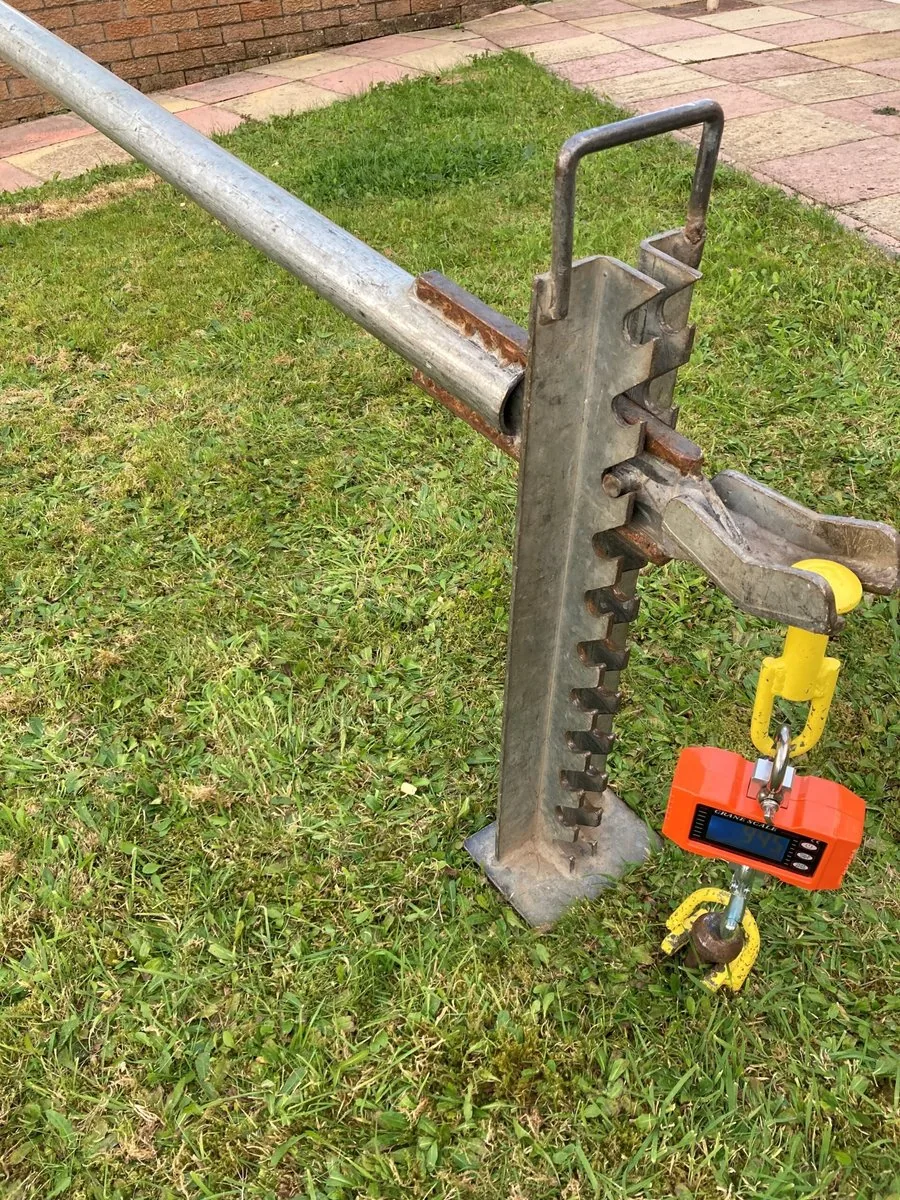
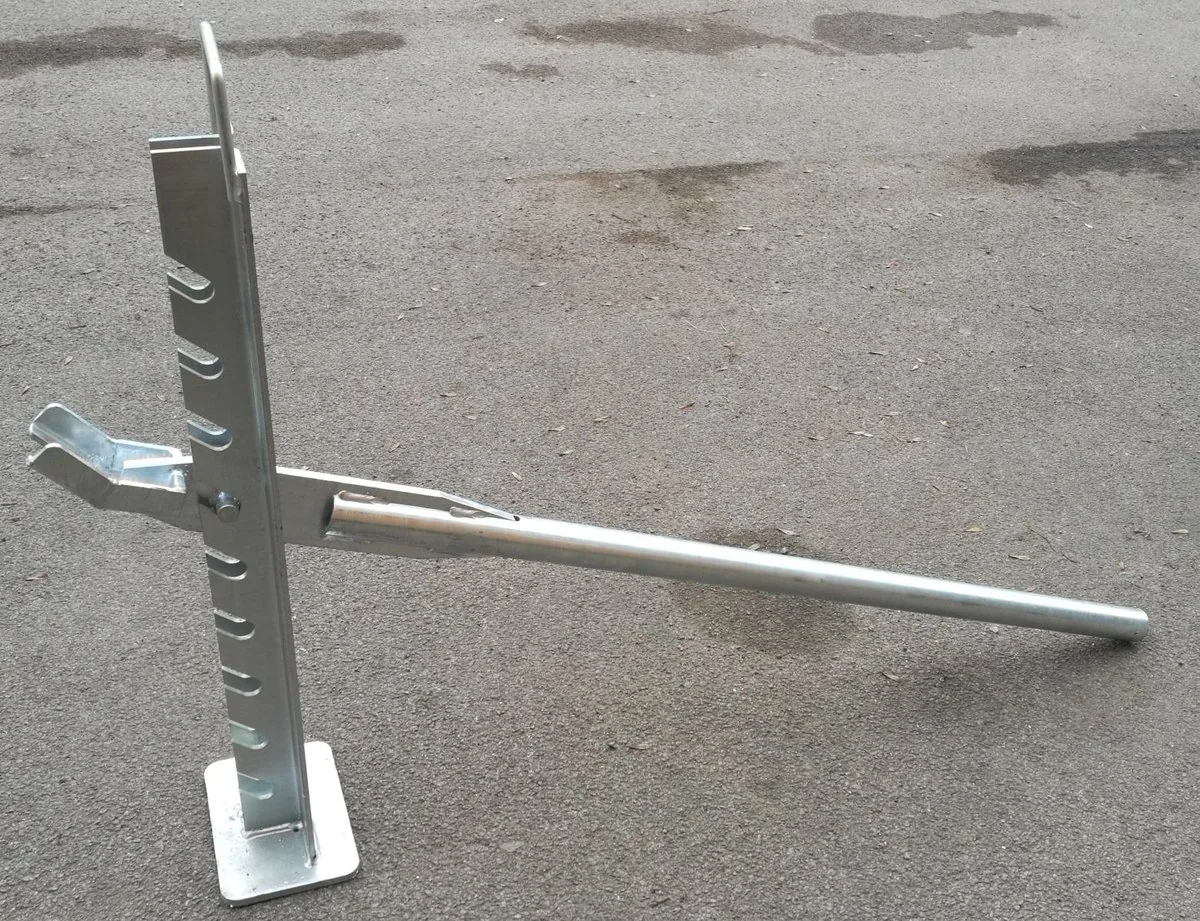
On a day with wind in the forecast, a pre-event ground pull test is worth the few minutes it takes. Drive a representative stake, attach a calibrated load cell, and apply force gradually up to 163 kg. If the stake moves before reaching it, the ground at that position is not meeting the EN 14960 requirement and the installation should move to ballast or a different position. Our guide to conducting a pull test covers the method.
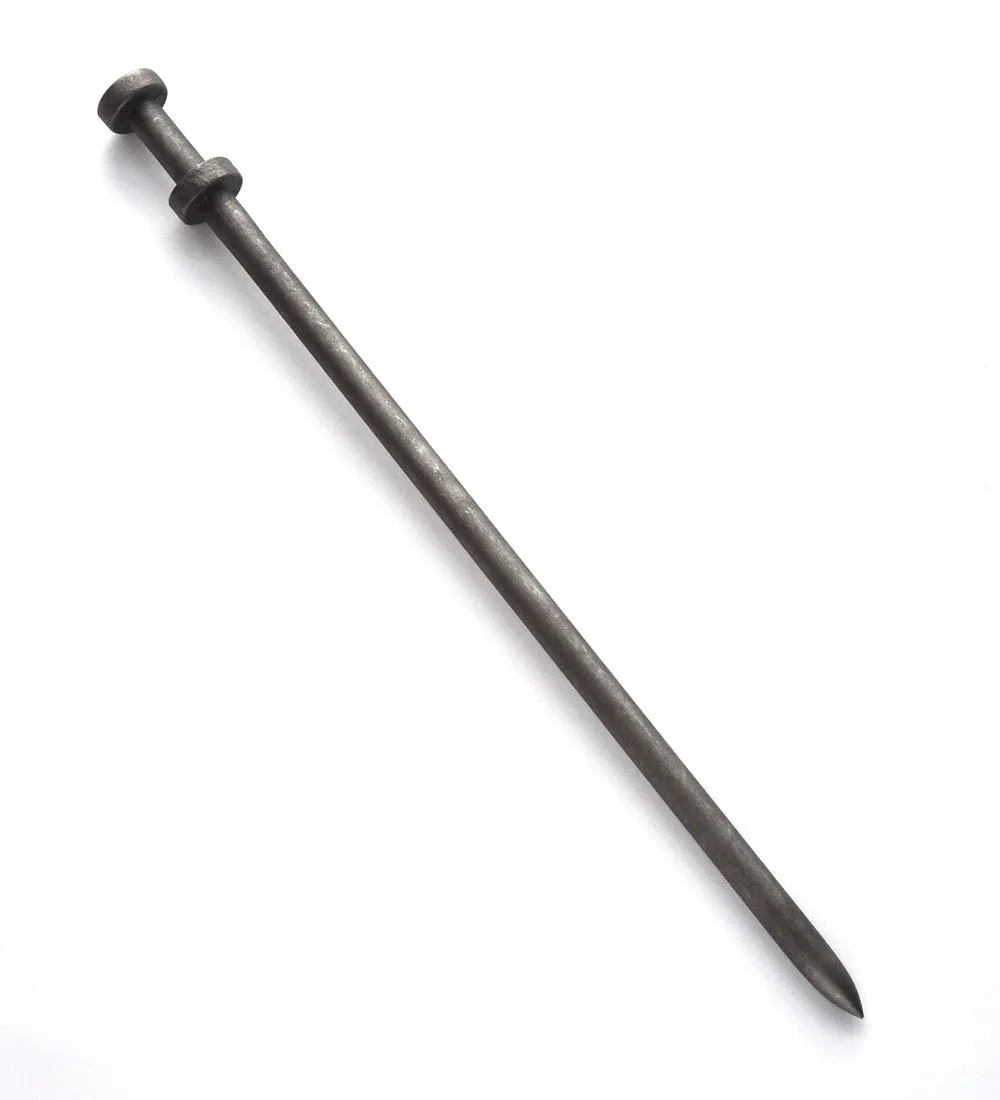
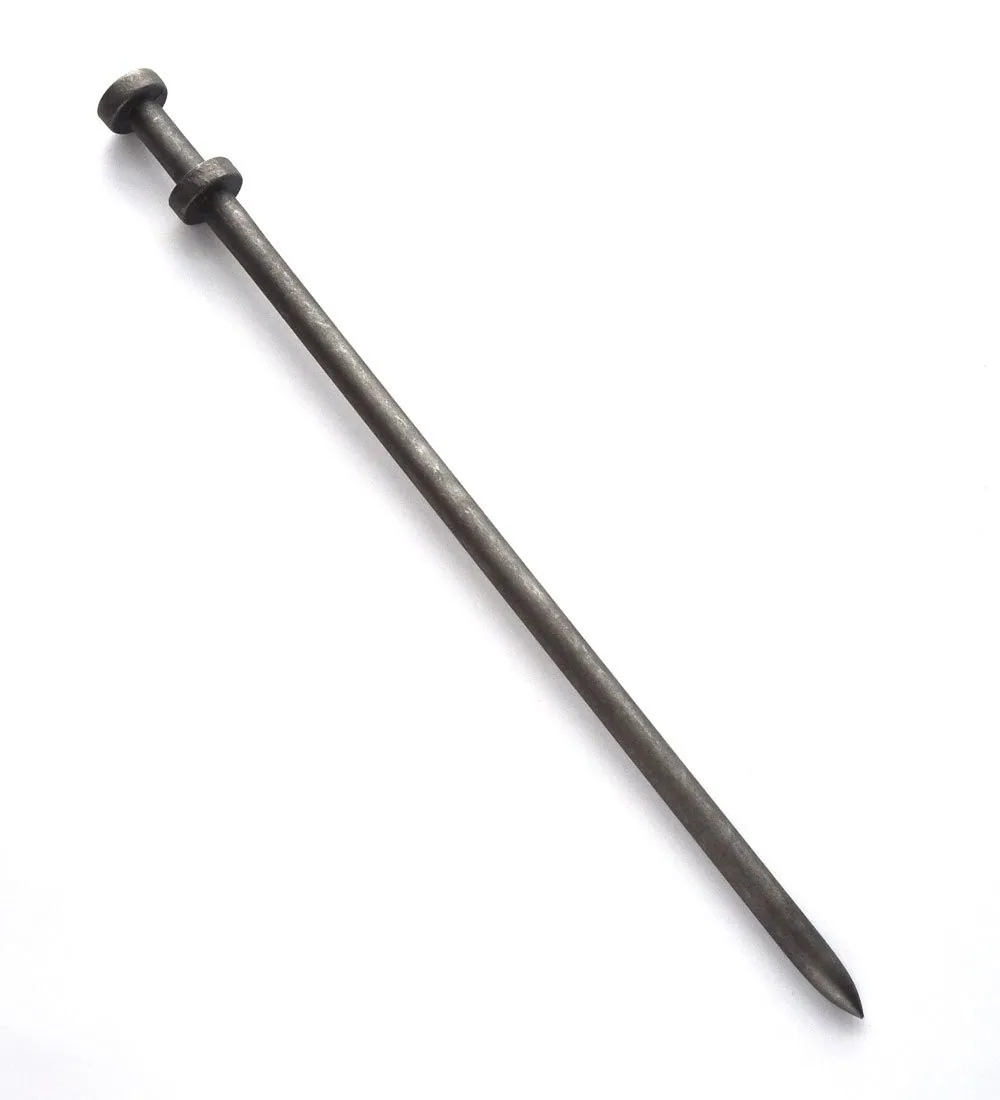
Stake quality matters most exactly when conditions are marginal. Mild steel that has bent at the tip over a season seats at a shallower effective depth and holds less than its length suggests. Tiger Stakes are high alloy steel from 26mm diameter — well beyond the 16mm minimum — and resist the tip deformation that quietly reduces holding force in hard, dry summer ground. No stake guarantees 163 kg in all conditions, but a straight stake at full depth gives you more margin on the day the wind is testing it.
Get in Touch
Email: hoganuk [at] hoganstakes.co.uk
Contact form: hoganstakes.co.uk/contact
Product range: hoganstakes.co.uk/products
Hogan Stakes UK is the sole authorised UK distributor of stakes manufactured by Hogan Tent Stakes, producers of premium tent and marquee stakes in the USA since 1948.
This guide is intended for professional reference. EN 14960 requirements and wind limits are subject to revision. Operators are responsible for verifying current requirements with their PIPA inspector or the published standard, and for their own on-site risk assessment. For hard standing anchor installations, consult a qualified structural engineer.
More from the Hogan Stakes Resource Library
The Complete Guide to Marquee Stakes for UK Hire Companies
Everything you need to know about stake selection, ground conditions, installation depth, structure types and accessories — written for UK hire companies and event professionals.
Read the Guide →Staking for Inflatable Hire Operators
Practical anchoring guide for inflatable hire: EN 14960 requirements, stake selection by ground type, pre-event pull testing, and what PIPA inspectors are looking for on the day.
Read the Guide →Tent Stakes for Stretch Tents
How continuous-tension anchoring demands differ from traditional marquees, and why stake quality has a direct impact on the structure's profile throughout the event.
Read the Guide →Common Questions
What is the wind speed limit for a bouncy castle?
EN 14960 sets a maximum operating wind speed of 24 mph (Force 5, about 38 km/h) for inflatable play equipment used outdoors. At or above this speed the inflatable must be cleared of users, deflated, and evacuated. Wind should be measured with an anemometer at the height and exposure of the unit, with gusts counted as well as the sustained average.
What happens if you operate a bouncy castle above the wind limit?
Operating above the 24 mph limit, or under-anchoring, places the operator in breach of EN 14960 and personally liable. In 2016 two operators were convicted of manslaughter by gross negligence and jailed after a child died when an under-anchored inflatable blew away in winds above the limit. The wind limit and the anchoring requirement are the core safety controls for outdoor inflatable hire.
Products referenced in this guide
Getting inflatable anchoring right for inspection?
High alloy steel Tiger stakes that exceed the EN 14960 minimum, from the sole UK distributor. Send us your requirement and we'll advise on size and quantity.