 In Stock
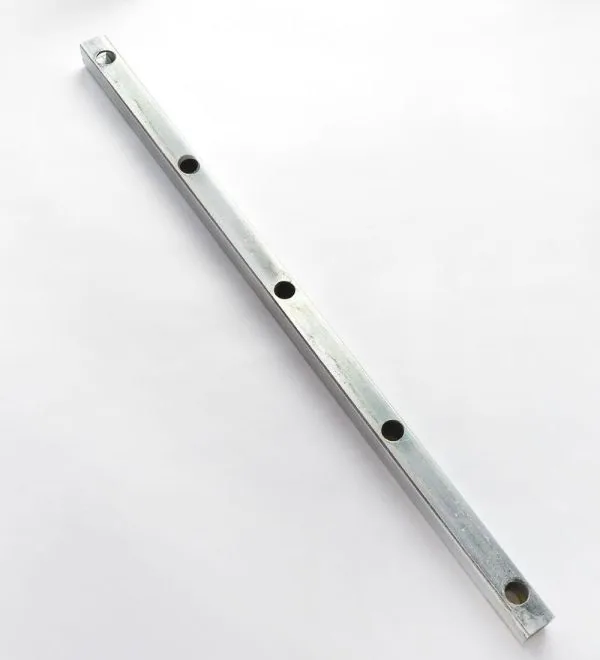
Marquee spreader bars and stake plates — multi-stake load distribution for high-tension anchor positions
Spreader Bars & Stake Plates
Where a single stake isn't enough.
Some anchor positions carry more load than a single stake can reliably hold — particularly at high-tension primary anchors on sailcloth tents and stretch tent ridges, at clearspan baseplate positions in softer or variable ground, and wherever a pull test shows the required holding force isn't being met. A spreader bar or stake plate lets two or more stakes share that load.
The principle is straightforward: a steel bar with stake holes and a central load attachment point. Stakes are driven through the holes in line and the load from the guy rope or baseplate is distributed across all of them. Holding capacity goes up — though not in direct proportion to the number of stakes, since adjacent stakes share the disturbed soil between them, and ground conditions remain the limiting factor.
- 5-hole bar — accommodates multiple stake configurations
- Steel construction
- Compatible with Tiger Stake diameters (26mm and 29mm)
- Used at sailcloth ridge anchors, stretch tent primaries, and soft-ground clearspan positions
- Works with pull test indicator — test each configuration before the structure is loaded
Supplied to marquee hire companies, structure manufacturers and event production teams. Trade pricing by enquiry.
Get in TouchWhen Single Stakes Aren't Enough
The most common situations where spreader bars are needed:
Sailcloth ridge anchors
The central ridge of a sailcloth marquee carries tension from multiple panels simultaneously. The load at the primary ridge anchor is high and sustained — typically beyond what a single 42″ stake delivers in anything but firm, well-drained ground.
Stretch tent primary anchors
Primary anchor positions on a stretch tent carry continuous tension from the moment the tent is rigged. In medium or variable ground, a spreader bar distributes that continuous load and more reliably maintains position across the event.
Clearspan soft-ground positions
Where a clearspan structure is installed in soft or waterlogged ground and the required anchor load per baseplate exceeds what a single stake provides, a two-stake gang arrangement through a spreader bar or plate is the standard solution.
After a failed pull test
If a pull test shows a single stake isn't meeting the required holding force, a spreader bar is one of the primary remediation options — alongside moving to a longer stake or relocating the anchor point to better ground.
Two Stakes, One Load Point
Gang staking — running two or more stakes through a bar to share a single anchor load — is the standard response when the required holding capacity exceeds what a single stake can provide. The bar keeps the stakes correctly positioned relative to each other and to the load point, and the central attachment maintains the correct load direction.
Stakes in a gang arrangement are driven the same way as any single stake — vertical, or leaning no more than about 10° away from the load, never toward it. Spacing them in line along the bar, rather than fanning them at opposing angles, keeps each stake at the angle that holds best while the bar distributes the load across all of them.
For a more detailed walkthrough, see our guide to gang staking and spreader bars.
Technical Data
| Type | 5-hole spreader bar |
| Material | Steel |
| Compatible stake diameters | 26mm (1″) and 29mm (1.125″) |
| Application | Multi-stake gang anchoring |
| Pricing | Contact us for trade pricing |
| Availability | In Stock |
Full dimensional specifications available on request. Get in touch for trade pricing and volume orders.
Common Questions
When do I need a spreader bar instead of a single stake?
When the required anchor load exceeds what a single stake can reliably deliver in the ground you're working in. This is most common at high-tension primary anchor positions on sailcloth tents and stretch tent ridges, at clearspan baseplate positions in softer ground, and where a pull test shows the stake is pulling out below the required load. Two stakes through a spreader bar hold more than one — but not twice as much. The IFAI figures put an in-line pair at around 1.22× a single stake, and a triple at around 2.76×, because adjacent stakes share the disturbed soil between them. That's why we pull test the arrangement rather than assume the multiplier. Get in touch if you want to talk through the calculation for a specific structure.
What is the difference between a spreader bar and a stake plate?
A spreader bar is a steel bar with multiple stake holes and a central load attachment point, allowing two or more stakes to share a single anchor load in line. A stake plate is a flat steel plate that performs the same function in a lower-profile configuration, often used where the bar configuration doesn't suit the available ground or load direction. Both achieve the same outcome — distributing a single load point across multiple stakes — and the choice depends on the space available, direction of loading, and installation preference.
Are spreader bars compatible with Tiger Stakes?
Yes. The stake holes accommodate both Tiger Stake diameters — the 1″ (26mm) stakes (24″, 30″, 36″, and 42″×1″) and the 1.125″ (29mm) stakes (42″×1.125″, 48″, and 60″). Get in touch to confirm compatibility for any specific configuration.
Should I pull test a gang staked arrangement?
Yes — and it is more straightforward than testing a single stake because the bar provides a direct attachment point for the pull test indicator. Testing a gang arrangement before the structure is loaded gives you a measured figure for the combined holding capacity, which is particularly valuable at the highest-load positions. See the pull test indicator for how this works in practice.
Discuss spreader bars for your specific application.
Get in touch with your structure type, ground conditions, and anchor load requirements and we will advise.
Get in Touch Gang Staking Guide →The Complete Anchoring Picture
Spreader bars work as part of a system — Tiger Stakes for the embedment, a pull test indicator to verify the configuration before the structure is loaded.
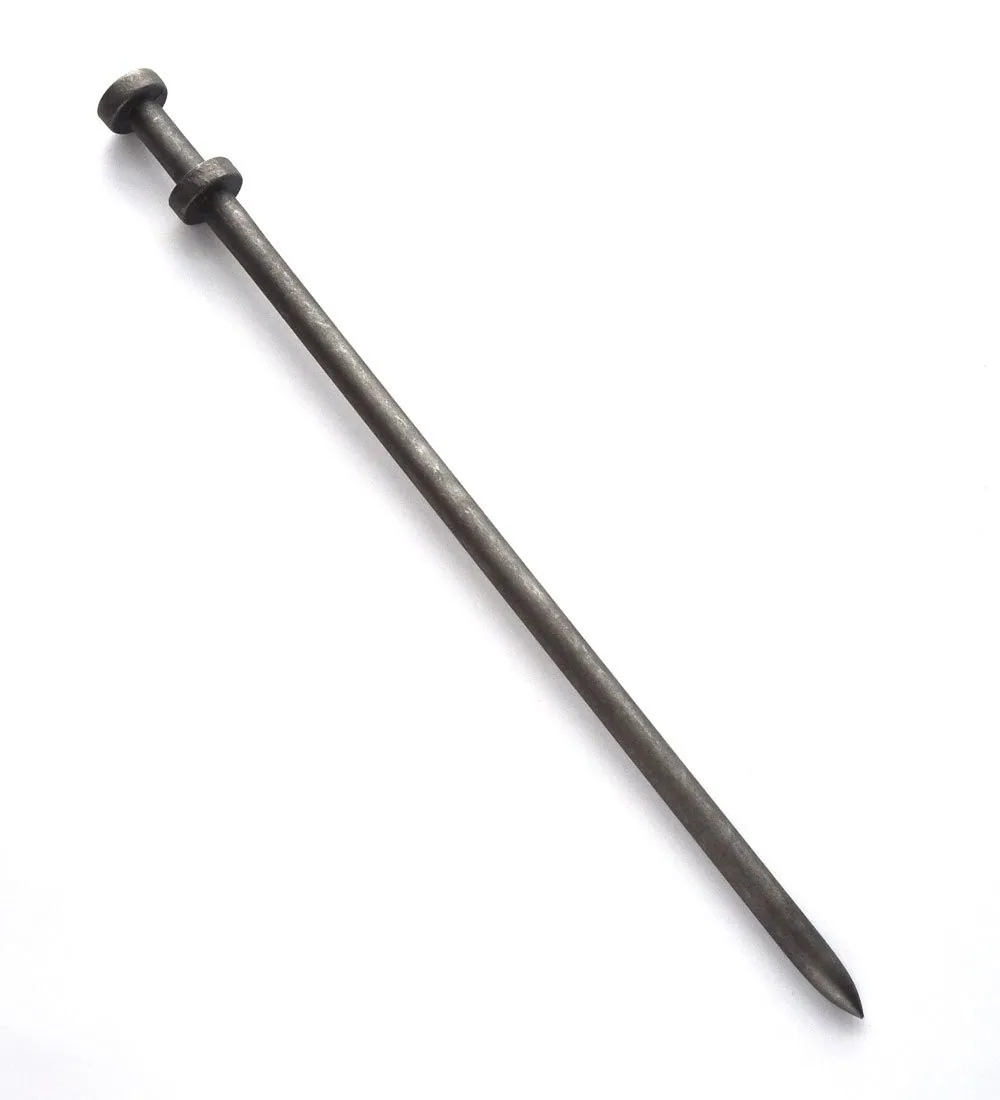
Tiger Stakes 42″ and 48″
The 42″ (1070mm × 29mm) and 48″ (1219mm × 29mm) are the most common choices for gang staking positions — the additional diameter and length provide the holding power that makes the spreader bar arrangement worthwhile.
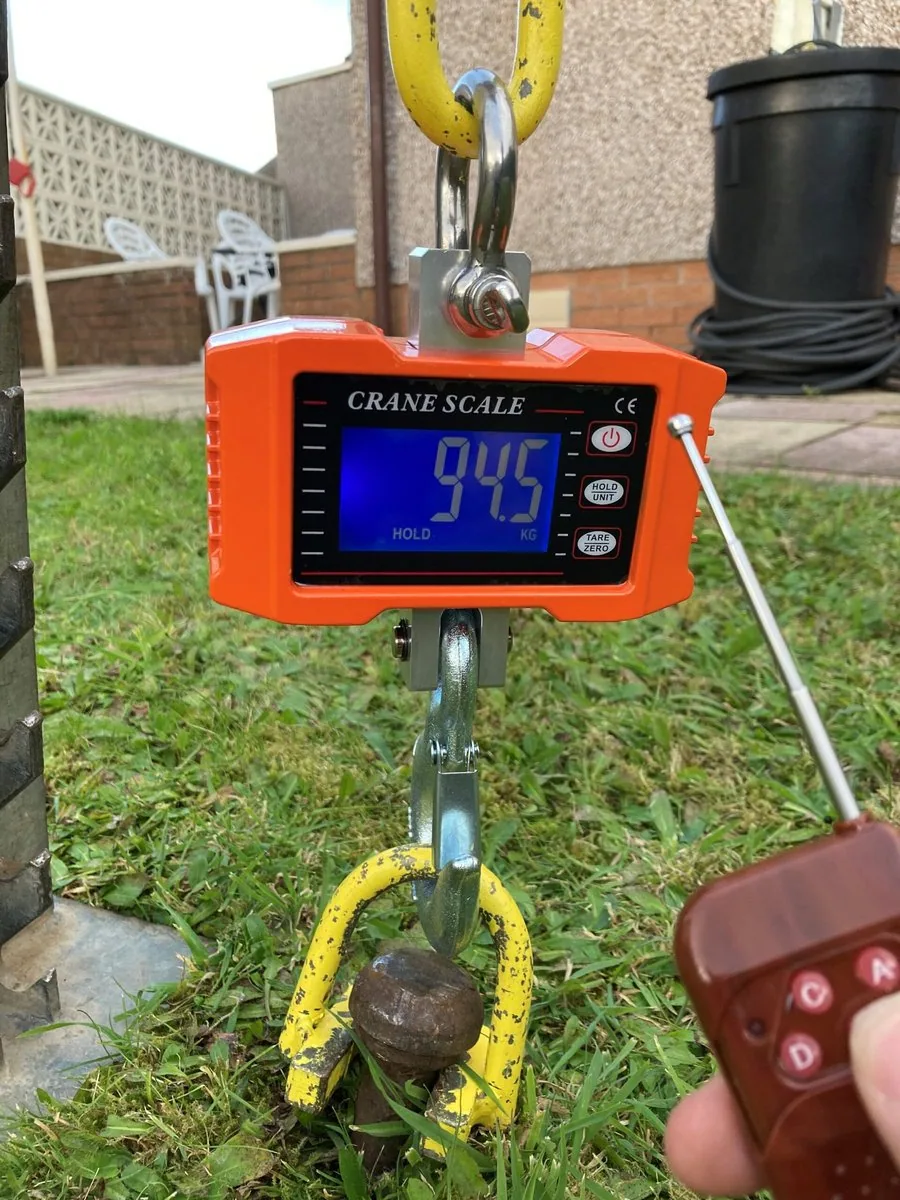
Pull Test Indicator
A spreader bar arrangement is typically deployed because the load requirement is high and the ground is variable. Testing the configured arrangement before the structure is loaded gives you a measured figure — not an estimate. The indicator connects to the bar's load attachment point directly.